
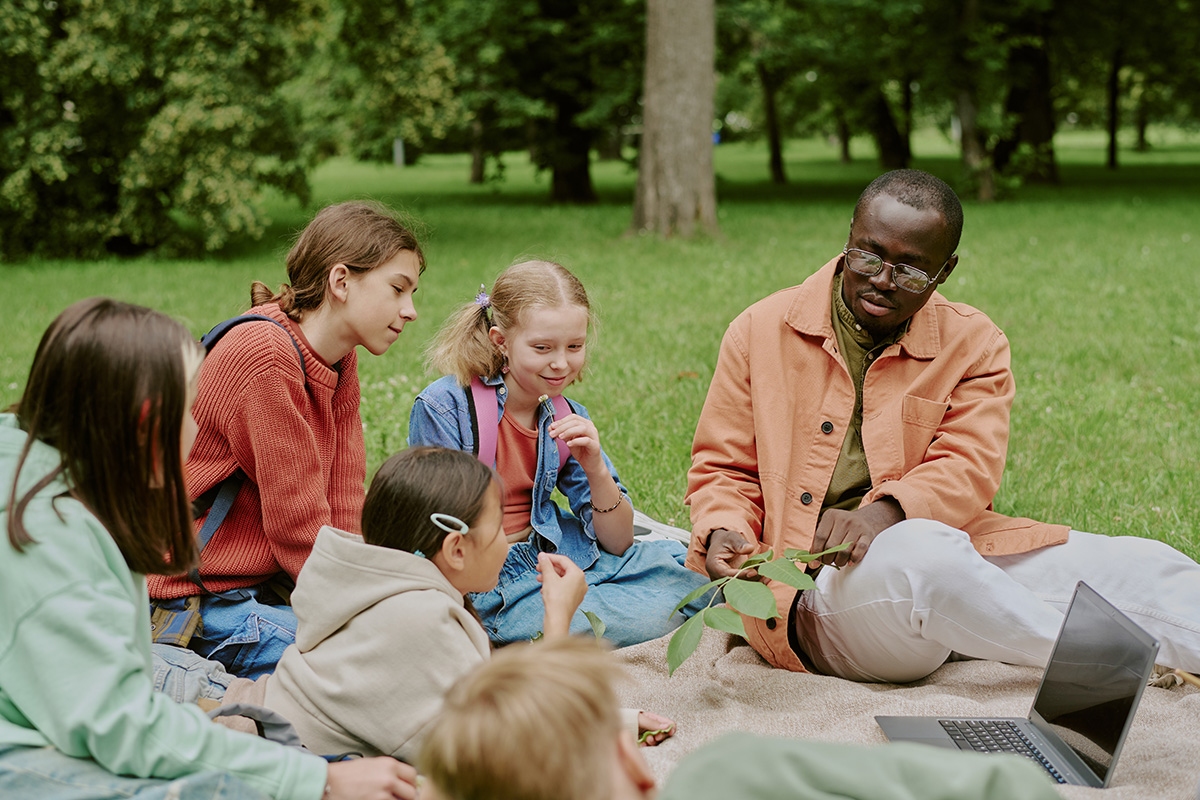
Children all over the country are back at school. While all families have unique concerns at the start of any academic year, 2025–26 offers a new wrinkle: Parents and caregivers are wondering what students will or won’t be taught. The Trump administration has been waging a public war on science, banning books, and making or threatening broad cuts to educational funding—specifically environmental education and associated programs. After a summer vacation full of extreme weather, wildfires, and devastating flooding, some children are returning to classes scrubbed of climate education.
Tell Administrator Zeldin: Cutting Climate Pollution Is Essential for Our Families’ Health
In a recent interview with Kim Noble, former Senior Advisor in the Office of Public Engagement and Environmental Education at the U.S. Environmental Protection Agency, Moms Clean Air Force’s Stephanie Reese discussed the importance of teaching children about the environment. “My work is about helping communities to have the tools and resources they need to make meaningful change,” Kim told Stephanie, Moms’ Director of Strategic Implementation and Justice. This work just isn’t possible without environmental education.
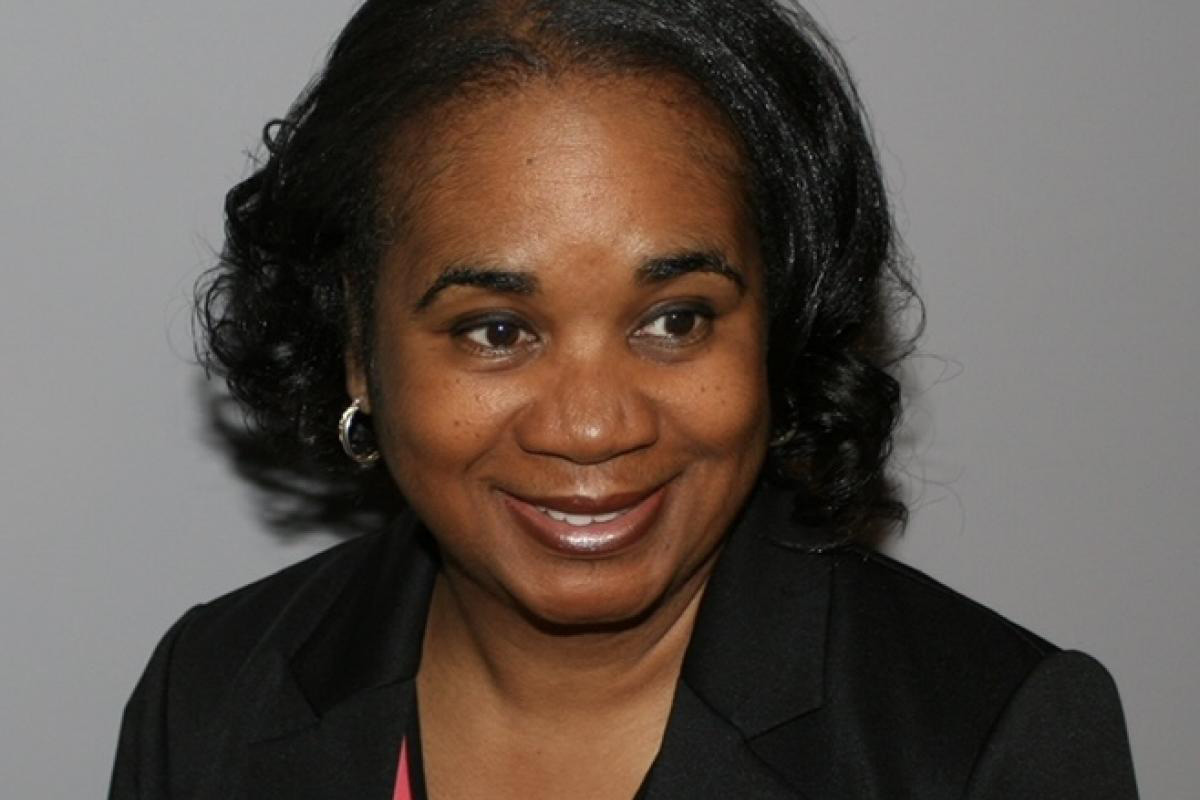
Kim’s own environmental education began by sitting on her family porch with her father, observing the day. Her dad said he could smell rain despite the sun shining. “‘It’s coming,’ he would say. Then came the downpour. I was amazed.” This simple intentional noticing is, Kim contends, the base of all environmental education. “When you start to pay attention, you realize important things. The environment affects us all and sometimes those effects are good and sometimes they are bad. When they are bad, we have to do something about it. Environmental education is what lets us understand why and how things are changing and what we can do about it. That’s the best gift we can give our kids,” Kim told Stephanie.
Schools and organizations play a key role
While schools are traditionally where kids learn, Kim believes when they team up with local organizations, children learn the most, including about their neighborhoods and the people doing important work right where they live. “When we make climate issues tangible and local, this ignites something in our kids. They start to understand how much their environment affects them every day. Schools can build on that awareness by giving them real ways to take action.”
Kim shared the example of Krista Brinchek, a third-grade educator in Raleigh, North Carolina. Her school happened to be sited across the street from a former landfill. She used the location to talk to her students about waste management and partnered with outside organizations to do a waste analysis in the school cafeteria, which, in turn, informed a school-wide waste reduction plan. “This is really cool. She is helping the students to really connect the dots.” Kim met Krista at an EPA awards ceremony celebrating stellar students and educators across the country. Two helpful national environmental education resources for all students and educators alike are the North American Association for Environmental Education and the Environmental Education Foundation.
How parents and caregivers can help
Kim believes that while environmental issues can feel overwhelming, change can truly begin with a few concerned parents—and their students. “It’s really that simple. And it’s important to remember as much as parents and caregivers need to be advocates, our younger generation is already sounding the alarm. These kids have been doing the work. They are five steps ahead of us already,” she said, recalling meetings with kids from Flint, Michigan, concerned about lead in their drinking water as well as with children living near power plants who were fighting for stronger emissions regulations. “These are the stories that stick with you. They know what’s wrong, and they are working to fix it. Their future is at stake.” One critical task for parents and caregivers is to listen to the young people already leading. “We need to support them and fill in the gaps where needed,” Kim said.
What’s at stake when environmental education is curtailed
As a mother and a grandmother, Kim thinks about what’s lost when children aren’t educated about the environment. “In the immediate sense, when we are unprepared for climate emergencies, the results can be deadly for entire communities. In the long run, the future of our planet and of our young generations depends on whether we equip them to lead this work. If we don’t teach them about climate change, they will inherit a hotter, more dangerous world with no idea how to fix it.” Kim thinks allowing a generation of youth to face consequences without the tools they need is neither right nor fair.
If you don’t already, it’s worth asking the young students in your household at the start of academic classes what they will be learning and continuing to ask throughout the school year. Parents and caregivers can also check in with teachers about curriculum plans at back-to-school nights. When you know what is and isn’t being taught, you’re that much more equipped to advocate for robust climate education. Chances are there are other parents who would happily join forces with you too.
“Environmental education helps us ask the right questions before it’s too late. Education is power. It helps us to plan, adapt, and stay safe. When we have less information, we make worse choices. The only chance at building a resilient and sustainable future depends on whether we are ready for the changes ahead,” Kim said, adding, “We owe it to our babies and grandbabies to leave them a planet they can live on and that starts with what we teach them today.”
Tell Administrator Zeldin: Cutting Climate Pollution Is Essential for Our Families’ Health