




Last week, EPA proposed strong standards to protect people from the hazardous air pollution emitted by more than 200 of the largest, most toxic petrochemical manufacturing facilities in the country. These polluting facilities make chemicals that become plastics. Join us in thanking EPA for taking this critical step to safeguard people—especially children—from plastics and petrochemical manufacturing facilities.
Most Recent
These Historic Standards Will Help Prevent Petrochemical Disasters
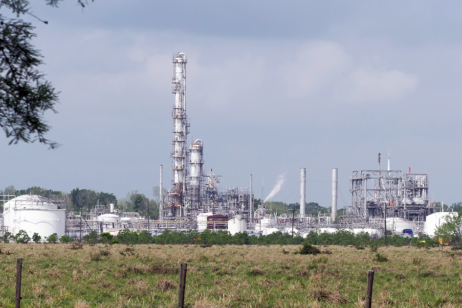
Protecting People Through Strong Petrochemical Manufacturing Rules
We have a once-in-a-generation opportunity to rein in the toxic air emissions from some of the biggest emitters. This is a rare chance to hold polluters accountable and to mitigate the harm they cause to workers and to children, families, and all people.

The Petrochemical and Plastic Crisis Is Spinning Out of Control
Plastic is ubiquitous, even for those of us that try to avoid it, and it’s bad news. A new report warns that while manufacture and use of essential plastics may continue, failing to act now on “reckless increases in plastic production” will have immense costs.
East Palestine Mom Tells Senate Residents Don’t Feel Safe: Moms Make News
Read the latest news from Moms Clean Air Force staff and members in Arizona, Michigan, New Mexico, and Ohio.
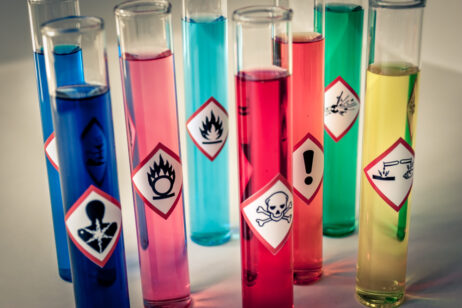
Our Landmark Chemical Law Is Under Attack … Again
House Republicans’ energy package will amend the Toxic Substances Control Act (TSCA) and put our health and the environment at risk by streamlining the approval of substances that might be required to meet important energy needs in the future.
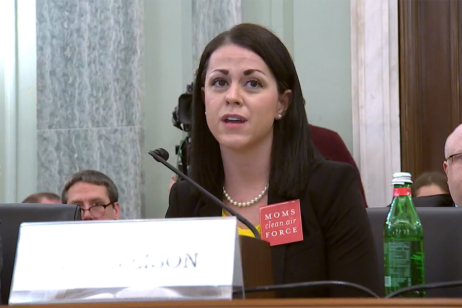
East Palestine Mom, Misti Allison, Testifies at Senate Train Derailment Hearing
This is the testimony of East Palestine resident and Moms Clean Air Force member, Misti Allison, gave at the US Senate Committee on Commerce, Science, and Transportation at their hearing about the train that derailed just over a mile from her home.
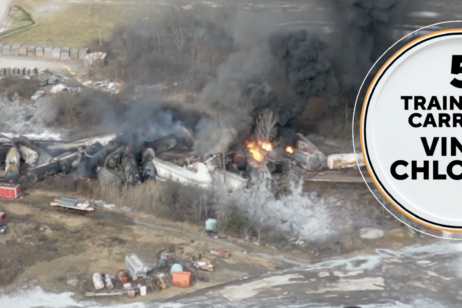
The East Palestine Train Derailment and Our Chemical Safety Law
Here’s the connection between the nation’s chemical safety law (TSCA) and the risks of toxic chemicals from transportation accidents. Learn what EPA needs to do to keep people safe.
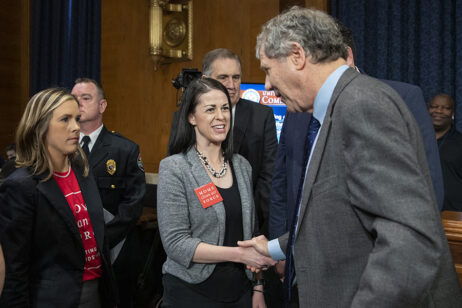
Petrochemicals and People: A Dangerous Combination
Administrator Regan has begun to address petrochemical toxicity. Biden’s Department of Justice has taken some steps to hold petrochemical companies accountable. None of it is enough. Yet. Petrochemical disasters and pollution must end.
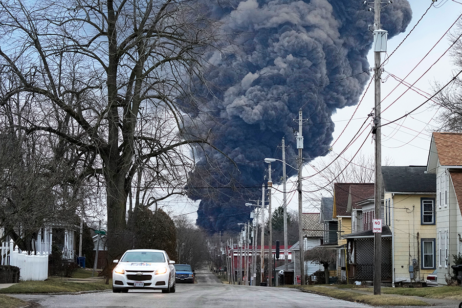
The Ohio Train Derailment Is a Petrochemical Health Disaster
EPA needs to hold the petrochemical polluters and the companies that run “train bombs” through our neighborhoods accountable. These companies should be paying the entire cost of cleanup and providing future support and health care for those who have been exposed to their carcinogenic chemicals.
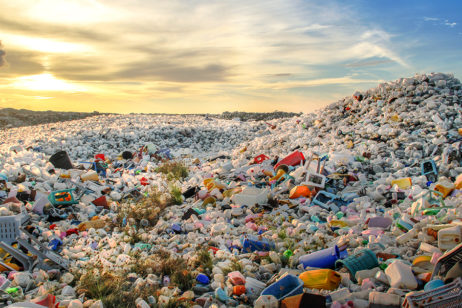
Why Is EPA Fast-Tracking Plastic Trash as a Renewable Biofuel?
Plastic is not a biofuel. So why is EPA inserted waste plastic into a program designed to fast-track the production of renewable fuels from plants, algae, and other biological sources.

Your Brain on Diesel Pollution: Moms Make News
Read the latest news from Moms Clean Air Force staff and members in Michigan, New Mexico, Ohio, and Vermont.

Ohio Train Derailment Highlights Toxic Plastic Pollution
Communities continue to be concerned about the health impacts of toxic petrochemical pollution from the recent train derailment in East Palestine, Ohio.