



Just a few days into summer, Phoenix, Arizona, is expected to hit highs above 110 degrees Fahrenheit. As the hottest city in the U.S., Phoenix serves as a physical reminder how dangerous climate-driven extreme heat can be. Exposure to extreme heat poses direct health risks, including cardiovascular, kidney, respiratory, and mental health disorders, and is linked to increased air pollution and higher energy bills. These risks increase as climate change makes hot days more frequent and intense.
Tell Congress: Support Mental Wellness for Communities Facing Weather Disasters
In an op-ed published in Impacto Media and The Latino Newsletter, Arizona Field Organizer Pita Juarez writes about Arizona’s increasingly common triple digit days, pointing out the risk of fatality, particularly for Latinos, who are disproportionately represented in the outdoor workforce.
“About 80% of the farmworkers in the United States identify as either Hispanic or Latino. Hispanic people are also 21% more likely to live in urban heat islands, which can be up to 22 degrees Fahrenheit hotter than surrounding areas.”
In other news
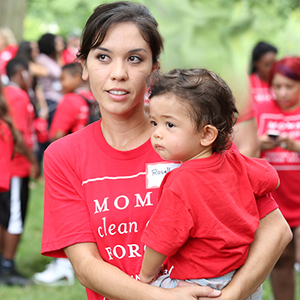
- In an interview with Yale Climate Connections that ran on 700+ radio stations across the country, National Manager for Health Justice Almeta Cooper (pictured) warns that tailpipe pollution—particularly in Black and Brown communities—is likely to worsen amid federal rollbacks.
- After a Q&A session with developers attempting to build a data center in Springdale, Pennsylvania, Field Organizer Vanessa Lynch notes to Trib Live that she is concerned about potential pollution from diesel backup generators.
- In May, Freepoint Eco-Systems announced they would be suspending operations at their “advanced recycling” plastics incinerator in Ohio—a decision that came following a year of advocacy kicked off by Moms Field Organizer Amanda Rowoldt‘s footage of billowing black smoke at the facility. Several outlets, including MSN, Chemical & Engineering News, and Courier Journal, reported the shutdown; the facility had blatantly violated Ohio EPA regulations and endangered surrounding communities. Despite the clear health risks of plastics incinerators and the need for stronger protections, EPA is currently considering a proposal that would ease air pollution rules and exempt these facilities from crucial regulations, as noted in British Brief.
Honorable mentions
Over the last few weeks, Moms earned a mention in News Break.
Tell Congress: Support Mental Wellness for Communities Facing Weather Disasters