




Neglected and exposed: Toxic air lingers in a Texas Latino community, revealing failures in state’s air monitoring system
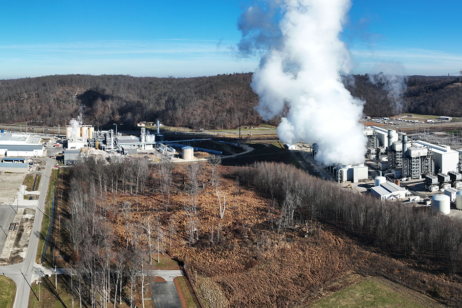
What the Plastics Industry Doesn’t Want you to Know
The Deadly Lies About “Advanced Recycling” “Advanced Recycling.” That’s the false solution to our plastic waste crisis that the American Chemistry Council, a plastics industry lobbying group, is selling to state legislatures, Congress, and the American public. If it sounds too good …

Testimony: Moms Clean Air Force, National Environmental Youth Advisory Council, March 2024
By: Moms Clean Air Force Date: March 2024 About: Docket ID No. EPA–HQ–OA–2024–0043 To: Environmental Protection Agency The NEYAC was established to provide guidance on addressing a range of environmental issues as they relate to youth. Moms Clean Air Force is particularly concerned about …

EPA Large Municipal Waste Combustors Rule
This resource has been factchecked by policy experts, using the latest scientific research. Find all our sources linked below. Harmful pollution from municipal waste incinerators must be regulated In many parts of the country, household waste is sent to municipal incinerators for …

“We’ll Just Be Another East Palestine”
“Advanced recycling” a.k.a. chemical recycling isn’t the solution petrochemical companies promised.

Trash Incineration Pollution Is Toxic
Cadmium, mercury, lead, soot, dioxins—Moms are urging EPA to protect us from the deadly chemicals released by burning plastics and other wastes.
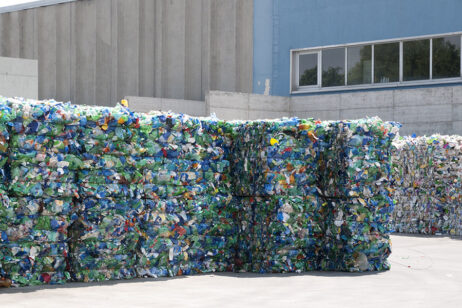
Recycling Plastics Doesn’t Work
For decades, the plastics industry lied to the public about the viability of recycling, according to a new report.
East Palestine, One Year After Chemical Disaster
EPA Praised for Boost to ‘Life-Saving’ Protections From Chemical Incidents
Local Activists Demand Stronger Railroad Safety and Accountability from Norfolk Southern and FRA a Year After Toxic Derailment Disaster
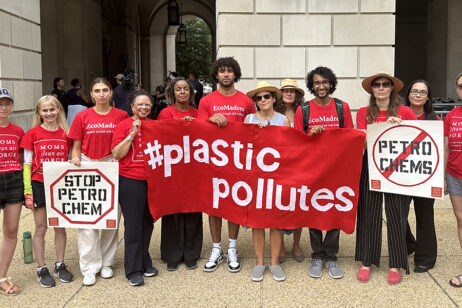
What’s in the Air: Plastic Scams
In her column “What’s in the Air,” Dominique Browning reflects on the plastics industry. The plastic waste crisis is getting worse every year—in large part because there is no way to safely recycle this material, notwithstanding the industry’s efforts to push a “new” technique called “advanced recycling.”