

This resource has been factchecked by policy experts, using the latest scientific research. Find all our sources linked below.
Latino families across the U.S. are feeling the impacts of climate change caused by the burning of fossil fuels—from dirty air to increasingly frequent weather disasters. These threats harm communities already exposed to toxic chemicals from industrial facilities operating in their backyards. Nearly 10 million Latinos live in counties with failing grades on ozone or soot pollution.

Robert and Joangela Sanchez walk through floodwaters with their daughters after Hurricane Dolly in the Laureles area of Cameron County, Texas. (AP Photo/Matt Slocum)
Climate risks facing Latino communities
In the U.S., Latinos and other people of color, who often live in low-income neighborhoods without adequate infrastructure for withstanding extreme weather, are most likely to be harmed by climate-supercharged heat waves, wildfires, superstorms, and unhealthy air pollution.
Latinos also frequently live in neighborhoods that are home to manufacturing plants and factories that release greenhouse gases like carbon dioxide and methane into the air. These gases trap heat in the atmosphere, contributing further to climate warming and increasing dangerous extreme weather. Many of these neighborhoods also lack shade, trees, or cooling centers, making heat waves even harder on families.
Latinos are additionally more likely to live in areas vulnerable to hurricanes and flooding intensified by climate change. Barriers like language, immigration status, housing insecurity, limited health care, institutional racism, and political underrepresentation can make it harder to access emergency help or recover in the aftermath of extreme weather disasters.
Latino health is disproportionately impacted by extreme heat, as Latinos make up 40% of the outdoor workforce. Many Latinos have jobs in agriculture, construction, transportation, and oil and gas—all lines of work that can increase direct exposure to climate hazards.

Wildfire burns near residential homes and businesses in Sarasota County, Florida.
Hidden dangers in the air we breathe
Unfair government lending practices and other unjust policies have led to housing segregation, where people with more access to money and loans are able to live in healthier, safer areas while others have been forced to live closer to environmental harms. Because of this legacy, Latinos are more likely to live near highways, factories, or petrochemical plants—areas known as air pollution hotspots.
Extreme heat exacerbates ground-level ozone pollution (also known as smog), which can irritate airways, increasing the risk of serious heart and lung diseases. Soot pollution—otherwise known as particle pollution or PM 2.5—is so small it can get deep into the lungs and cause serious health problems, like lung disease, heart attacks, strokes, asthma, and cancer. Latinos are twice as likely to go to the emergency room for asthma than white U.S. residents, and Latino children are 40% more likely to die from asthma than white children.

Toxic chemicals in our backyards
Petrochemicals are toxic chemicals made from oil and gas. They’re used to make plastics, fertilizers, and many household products.
Petrochemical plants, incinerators, landfills, and other heavily polluting plastics-related industries are commonly sited in communities of color, including predominantly Latino neighborhoods.
Chemicals released into the air during plastics manufacturing have been linked to a range of health issues, including neurodevelopmental disorders, asthma, allergies, reproductive harm, endocrine disruption, and cancer.

The combined threat to Latino health and safety
Air pollution and climate change are inextricably linked. High temperatures contribute to the formation of smog; wildfires release smoke that’s dangerous to breathe; and intense storms can also lead to dirtier air, especially when power outages require people to use diesel generators.
The people who contribute the least to air and climate pollution are often the ones suffering the most. This includes pregnant women, children, elders, and people with chronic illnesses.
Because Hispanic mothers are more likely to be exposed to both air pollution and climate change-driven extreme weather, they face higher risks than their white counterparts, including more preterm births, low birth weight, pregnancy loss, and heat-related stress in newborn babies. Exposure to high heat while pregnant can increase the risk of lifelong health problems for children, like asthma and high blood pressure.
As climate change worsens, many families are being forced to leave their homes. Wildfires, hurricanes, droughts, and floods are displacing people worldwide. For Latino communities, climate migration often leads to serious health challenges, including:
- Breathing problems from smoke, dust, or mold
- Heat-related illness and dehydration
- Infectious diseases in crowded emergency shelters
- Stress, trauma, and anxiety
- Difficulty accessing medicine, prenatal care, or clean drinking water

Get involved
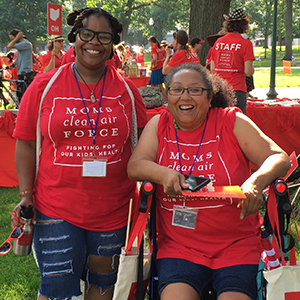
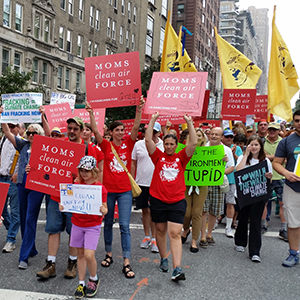
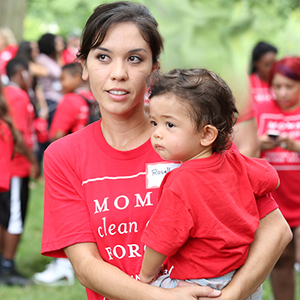
Latino communities have a strong history of organizing, protecting their families, and standing up for justice. Anyone can join the fight for cleaner air, safer neighborhoods, and a healthier future for all our children by connecting with local leaders and neighbors, getting involved with efforts to reduce pollution near a school, speaking up about air quality at city meetings, or even organizing cleanups to reduce plastics and trash. You can also join Moms Clean Air Force and EcoMadres, our Latino engagement program, to advocate for climate solutions for all.
Full list of sources.
Released: December 2025