


Last week, much of the U.S. saw the hottest day in more than a decade as an oppressive heat dome blanketed the Midwest and Northeast. The heat wave was dangerous for everyone, but outdoor workers—like farmworkers, landscapers, first responders, utility workers, and construction workers—faced unequal risk. Exposure to extreme heat over prolonged periods, like an eight-hour workday, can cause serious heat-related illnesses, including heat exhaustion and heat stroke.
Tell Congress: Protect Our Ability to Prepare for and Recover From Severe Weather Threats
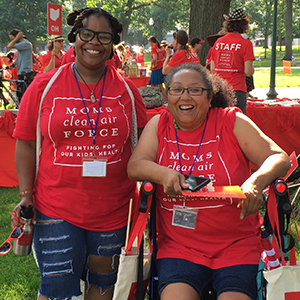
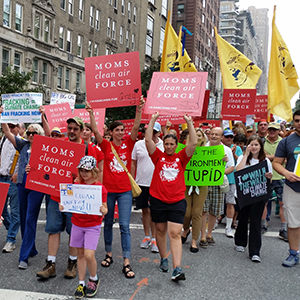
The Occupational Safety and Health Administration (OSHA) proposed new protections last year to keep workers safe when temperatures soar. Today, Moms Clean Air Force staff and members spoke at a hearing about the proposed rule, which could go a long way toward preventing the more than 3,000 heat-related injuries and illness suffered on the job in the U.S. each year. This is just one way we’re making our voices heard for #MomsSummerofAction. Here is some of our testimony:
Pita Juarez, Arizona
“I am proud to call Arizona home, but as we all know, our beautiful desert state comes with extreme heat that is becoming more dangerous every year. I care deeply about this issue, not just because I’ve seen the headlines, but because I’ve seen the direct impact of extreme heat on the people I love most: my family.
“Both of my brothers are small business owners who work outside. Even in the shade, they bear the brunt of extreme heat. They are among the many Latino workers who keep our communities running, whether by building homes, maintaining outdoor spaces, or supporting essential infrastructure. Every summer, I worry about them. I worry that they will suffer from heat exhaustion or worse, because in Arizona it is not uncommon for temperatures to go above 120 degrees. This is not just uncomfortable; it’s life-threatening.”
Read Pita’s full testimony here.
Shaina Oliver, Colorado
“I have family members who work agriculture jobs in Colorado, and they’re not the best jobs to have. These worksites do little to provide appropriate cooling spaces and access to cool water. My father is an electrician who’s expected to work through all weather conditions and has worked at many construction and oil and gas sites.
“Each year, Colorado breaks record heat indexes, and poor air quality continues to increase along with the heat. According to the American Lung Association’s most recent State of the Air report, the Denver metro area ranks as the sixth worst area in the U.S. for ozone pollution, or smog, which is made worse by extreme heat and is detrimental to outdoor workers, child workers, and pregnant workers, who are especially vulnerable.”
Read Shaina’s full testimony here.
Mary Wagner, Nevada
“Working outdoors in the triple-digit temperatures we get in Las Vegas can be life-threatening. This year alone, we have already had three heat-related deaths in Nevada… This is personal for my community. Many of our Latino families work outdoors in construction, landscaping, agriculture, and other physically demanding jobs that keep this city going.
“Latinos are at disproportionate risk. About 80% of farmworkers in this country identify as Hispanic, and since 2010, Latinos have made up about one-third of heat-related worker deaths in the U.S., despite representing only 17% of the workforce.
“These proposed protections are especially important for pregnant people. As a Latina mother, I’ve experienced firsthand the dangers of being pregnant in Nevada’s extreme heat: higher risks of preterm labor, low birth weight, and pregnancy loss. Barriers like poverty and language access only make it harder for mothers in our community to get the care they need on extreme weather days during pregnancy.”
Read Mary’s full testimony here.
Tell Congress: Protect Our Ability to Prepare for and Recover From Severe Weather Threats