

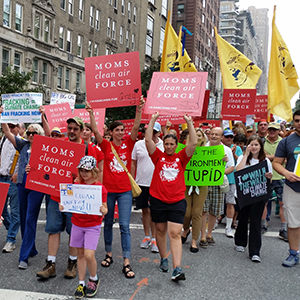



The other day, a friend texted me: “I have no encouraging words of hope or resilience. I do, however, have a lot of love and light, and I’m sending it to you.” Today, I offer the same to you. In a month that has seen the ongoing kidnapping of beloved immigrant neighbors, the murder of Renee Good, and continued attacks on our environmental and public health protections, I have no magic words of hope right now. But I do have wishes for our individual and collective well-being in spite of the heartbreak and chaos. As I write this, I’m sending those wishes your way.
While courageous protesters film Immigrations and Customs Enforcement (ICE) crimes on their cell phones, environmental lawyers and advocates are closely tracking EPA’s unlawful and corrupt attempts to destroy environmental safeguards—a kind of nationwide neighborhood watch for environmental policy. One attempted rollback stands out in particular: EPA Administrator Lee Zeldin’s effort to rescind the Endangerment Finding, which is the legal and scientific backbone of the agency’s responsibility to limit climate pollution.
Tell Congress: Hold Zeldin Accountable for Corrupting EPA’s Mission
EPA is expected to finalize a rollback of the Endangerment Finding imminently. If successful, this would have profound implications for public health for generations. It could mean the crumbling of the federal rules that limit climate-heating pollution from the biggest sources, like vehicle tailpipes, power plants, and the oil and gas industry. That would mean more climate pollution at a time when scientific consensus is clear that we must be doing everything we can to limit climate warming. It would mean more dangerous extreme weather, like supercharged heat waves, hurricanes, and wildfires.
It would also have profound implications for our health. We know that more climate pollution means more heat-related illnesses, more injuries and displacement from climate disasters, more respiratory diseases, and more food insecurity. And there would also be a tremendous psychological toll. Here are some of the ways rolling back the Endangerment Finding could impact our mental and emotional well-being:
- More heat-related mental health impacts: More climate pollution means hotter temperatures and more of the mental health impacts that arise with heat. Heat is associated with increased irritability, depression, anxiety, disrupted sleep, and aggression. On the hottest days of summer, more people visit the emergency room for mental health crises. And many medications used to treat psychiatric conditions impair the body’s ability to regulate temperature, making people with existing mental health challenges even more vulnerable to extreme heat.
- More mental health impacts from air pollution: Over the past few years, wildfire seasons intensified by climate change have begun to erode decades of progress on clean air, exposing millions of people across the country to unhealthy, smoke-filled air. Researchers are learning more about how wildfire smoke impacts our brains, and the findings are not great: exposure to the particle pollution in wildfire smoke is linked to higher emergency department visits for mental health, including depression, anxiety, and other mood disorders. Exposure to wildfire smoke can also trigger inflammation in the brain, which may be correlated with a range of mental health harms. Hotter temperatures also drive the formation of ground-level ozone, another dangerous air pollutant linked to mental health impacts like higher rates of depression in adolescents.
- More stress and trauma from climate disasters: Frightening extreme weather like wildfires, hurricanes, and floods can lead to a range of mental health impacts. As anyone who has lived through a climate disaster knows, these experiences can contribute to stress, anxiety, depression, trauma, and other profound emotional impacts. According to the American Psychiatric Association, the number of people who experience mental health impacts related to natural disasters can outnumber those physically injured by a staggering 40 to 1.
- More everyday stress from climate impacts: Many of us are already feeling the impacts of rising costs from climate change: our energy bills are rising, insurance rates are going up, and healthcare costs are increasing. In an economy where many are struggling to make ends meet, the added financial burdens of climate change take a significant mental health toll.
- Deeper moral distress: A 2021 study published in The Lancet surveyed 16,000 young people around the world, finding that an overwhelming majority are worried about climate change—and that feelings of climate distress were correlated with a sense that governments have failed to respond adequately to the crisis, thereby betraying young people and future generations. That feeling of betrayal could be described as moral injury. As we watch our government actively dismantle climate protections, that moral injury intensifies.
Despite the profound distress that so many of us are feeling right now as the polycrisis around us intensifies, I’m also feeling glimmers of solace every time I witness moral courage and care. The courage of neighbors protecting neighbors with whistles and cell phone videos, of people pouring into the streets in honor of Renee Good, and the courage of the climate activists I work with every day who are refusing to give up on our children’s futures. The care of strangers donating to mutual aid funds and GoFundMe campaigns, and of friends and colleagues reaching out with kindness to check in on difficult days.
I still have no magic words of hope. But I do know that whatever this administration might throw at us—more pollution, ICE, or otherwise—there are so many people working to make things better. That’s something.
Tell Congress: Hold Zeldin Accountable for Corrupting EPA’s Mission