




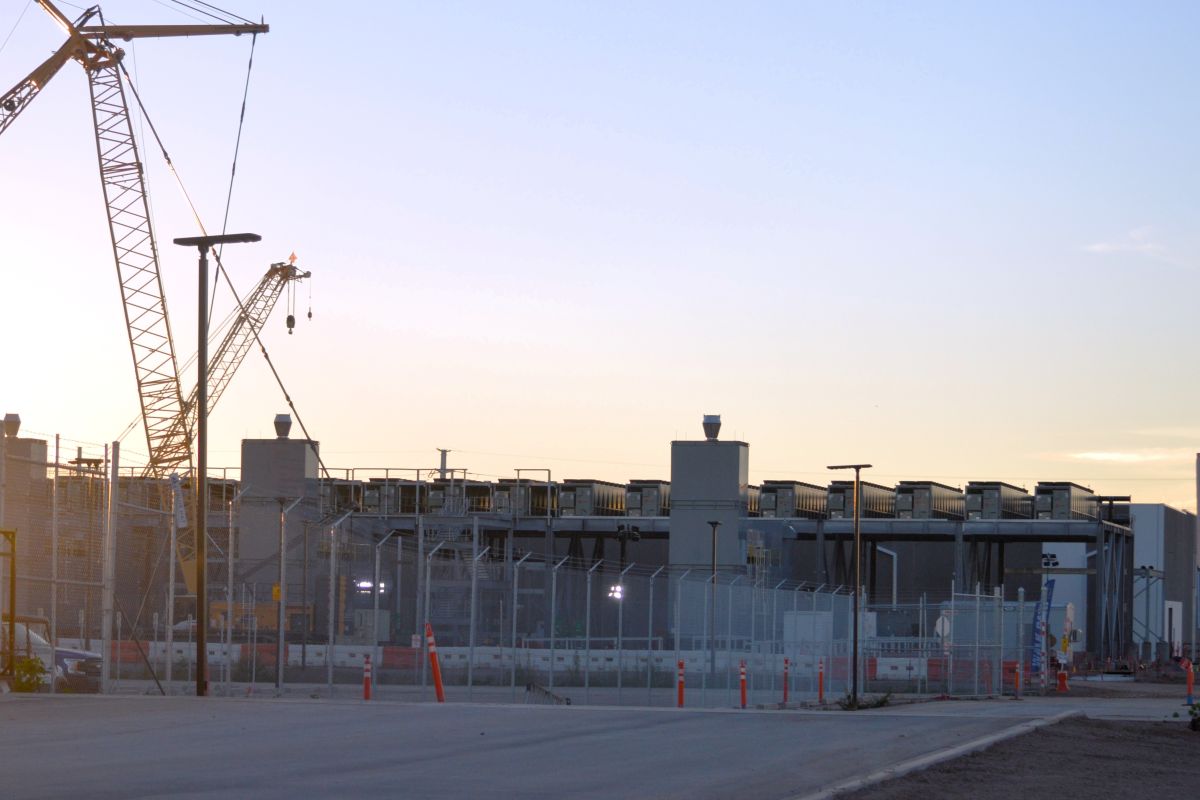
For Rusty Pickens, a member of the Chickasaw Nation and public interest technologist, AI surfaces familiar concerns. “It’s a classic play. We’ve seen this resource extraction and extortion of our people over and over,” he says.
With a land rush for massive data centers underway, Tribal lands are emerging as the next frontier. Activist Krystal Two Bulls, executive director of Honor the Earth, is tracking over 100 proposed data center projects on Tribal and rural lands.
Reactions to this targeted wave of AI-driven development are deeply nuanced as it both attracts opportunity and repeats a painful history of exploitation. While some community members tout economic growth for Native Nations that choose to partner with tech companies, others are fighting to protect their Tribes from environmental impacts like air pollution and water scarcity, weakened sovereignty, broken promises, and data colonialism, the massive systematic extraction of Tribal data.
Tell Congress: Protect Families From Dangerous Data Center Air Pollution
From resource frontier to digital frontier
Native Nations are recognized under U.S. law as sovereign governments with control over their own lands, although that independence has historically been limited by power imbalances and federal oversight. As a result, these areas have long been treated as a frontier for harvesting resources—oil and gas, coal, uranium, and other minerals—with little regard to the people most affected.
Now, as Big Tech scrambles to build mammoth data centers to keep up with consumer demand for AI, this old pattern of plundering appears to be re-emerging. Data centers not only need land but also massive amounts of electricity to operate and water to cool their servers, resulting in significant climate impacts. Because most are powered by fossil fuels, they also increase climate-warming carbon dioxide and air pollutants associated health risks, especially for those living close to the facilities. AI-associated air pollution may cause as many as 1,300 premature deaths by 2030.
Getting a fair share
Now the federal government has begun to actively court Tribes to partner with data center developers. The DOE’s Office of Indian Energy hosted a webinar on the topic in February, and Nations like the Osage in Oklahoma are actively weighing data centers as a path to economic diversification beyond gaming. Supporters eye the data centers as a windfall and a way for Tribes to pay for their own energy infrastructure and boost internet connectivity.
But not everyone is convinced that enough safeguards will be in place. “It’s all moving awfully quickly, and it’s awfully big, and there’s a lot of promises and a lot of hype and a lot of money,” says Rusty, a former technology official in the Obama administration. “I’m just not sure the impact will be positive. I think we should be paying close attention.”
Taking steps to protect their lands
Some Native Nations aren’t waiting to find out—they’re taking action. In Oklahoma, Jordan Harmon and Mackenzie Roberts, two citizens of the Muscogee Nation, held town halls on the risks of a proposed hyperscale data center on their Tribal land. Thanks to their efforts, the proposal was ultimately rejected by the Tribe’s National Council late last year. The news of this rejection rippled far and wide: the duo even landed on the cover of Time, featured in a story on “The People vs. AI” movement.
Other Nations are fast at work implementing data center restrictions and commissioning formal studies. The Sault Ste. Marie Tribe of Chippewa Indians and Seminole Nation of Oklahoma instituted moratoriums on data center development on Tribal lands this year. And the Cherokee Nation established a task force to study the environmental and economic impacts of data centers on the Cherokee Nation Reservation.
Digital colonization: The next great threat
In addition to natural resources, Tribal data sovereignty and governance are also at risk, cautions Rusty. He delivered remarks at the United Nations Permanent Forum of Indigenous Issues (UNPFII) last year to draw attention to AI as “the next great threat to Indigenous rights.”
Rusty and other advocates are urging Tribes to exercise caution when considering partnering with Big Tech. If they decide to form a partnership, it’s crucial to negotiate safeguards that limit the tech company’s ownership or surveillance of Tribal data. For Native Nations, this is as much a cultural issue as an economic one. In addition to sensitive healthcare and banking information, Rusty points to the work Tribes have done to help revitalize and preserve their languages—including developing education apps. Currently, Tribal languages have such a small digital footprint they are not well understood by mainstream AI; if this were to change, it could lead to exploitation and monetization of Indigenous cultural artifacts.
As the AI boom continues, it remains to be seen just how much Big Tech’s land grab will bring about another cycle of Native Nation extraction—this time through data centers and digital colonization instead of drills.
Tell Congress: Protect Families From Dangerous Data Center Air Pollution