

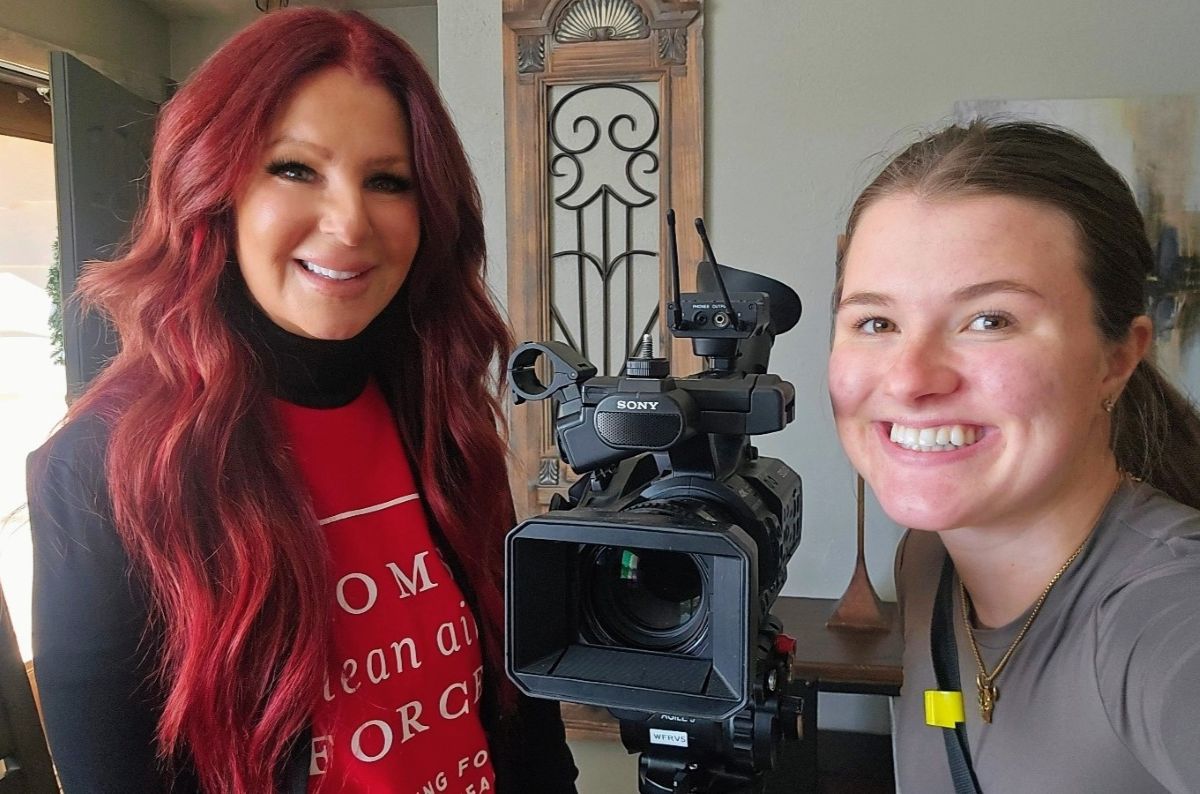
Earlier this month, Moms’ Wisconsin Organizer, Jayne Black, learned that data center developer Cloverleaf Infrastructure was planning a new AI facility for Microsoft in Greenleaf, a short drive from her house. She sprang into action, banding the community together to protect their farmland and family homes from the encroachment of polluting Big Tech. Within two weeks, Cloverleaf had pulled out of the project. This is the story of this incredible win for clean air.
Tell Congress: Hold Zeldin Accountable for Corrupting EPA’s Mission
As told to Julie Kimmel by Jayne Black:
On January 5, some Greenleaf residents showed up at a regular meeting of their village’s Planning Commission to talk about one specific thing: Houston-based Cloverleaf Infrastructure, a hyperscale [a.k.a. massive, AI-enabled] data center developer. They were being approached by Cloverleaf to sell their properties for data center development. By that evening, I was reading their story in the local news, so the next day, January 6, I created a Facebook group called Stop the Greenleaf Data Center (it is now called Stop Northeast Wisconsin Data Centers).
The Facebook group grew at warp speed. I shared it with two state-wide groups I’m in that are tracking and organizing opposition to data centers coming to Wisconsin. I shared it with friends and neighbors. Within 48 hours, it had more than 2,000 members (we’re now up to over 3,000). These weren’t just Greenleaf residents, but people from all over northeastern Wisconsin.
The proposed data center would have been built in an area zoned residential and agricultural. The people affected are farmers and families with young children. These are people who have been farming for generations. The project was planned for near a highway, across the street from a neighborhood and LedgeStone Vineyards, a huge winery that people visit all the time, and less than five miles from an elementary school.
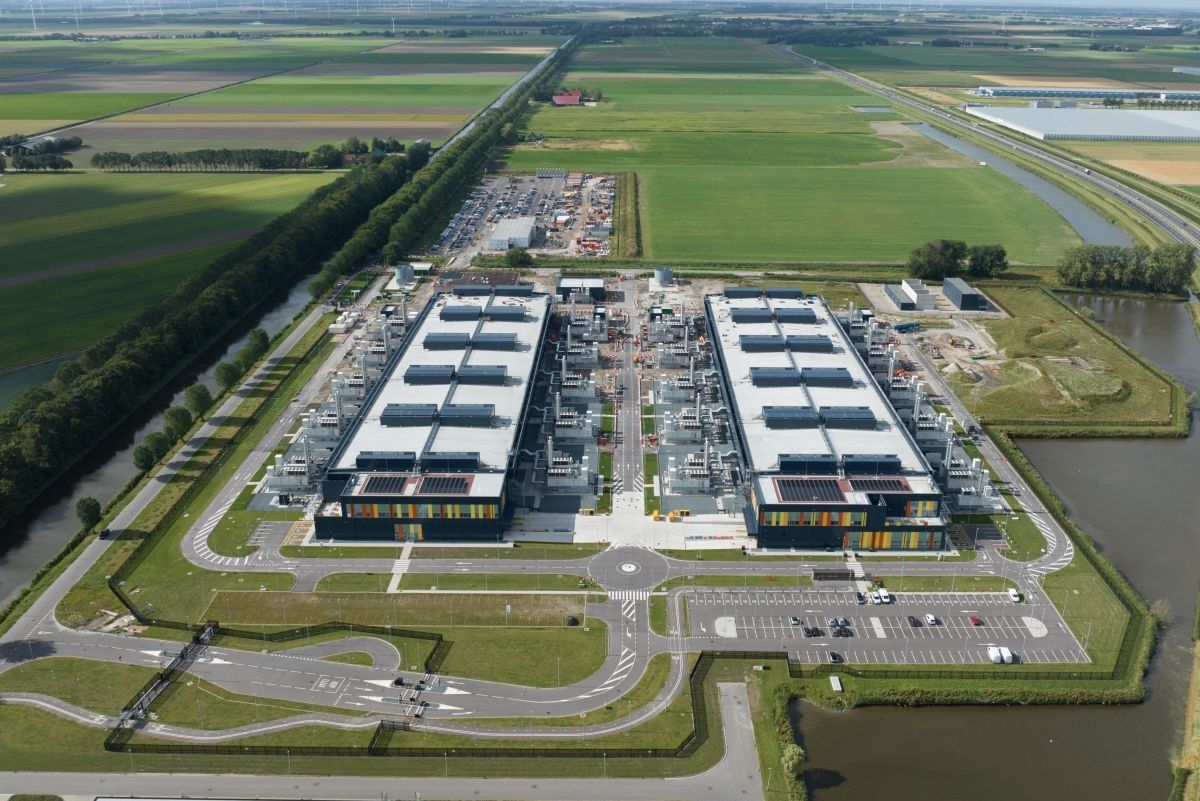
The community was outraged! Initially, they were mad because Cloverleaf was trying to buy up their land. When the homeowners asked and found out it was for a data center project, they were even more concerned—how is this happening in my backyard? The residents, the President of the Village Board—no one knew anything about data centers but knew enough to be wary. So a lot of my work was to help educate about the air quality impacts of data centers, their enormous water usage, etc.
The Facebook group was a central place for people to talk to each other and get information. One of the very first things I posted was the emails and phone numbers for the Village of Greenleaf Board so that residents could call, write, and share their personal stories. A lot of people did this.
I started providing resources, including Moms’ fact sheet about AI data centers and air pollution. As more people joined the Facebook group, they posted their own resources. We began planning for the next village meeting, scheduled for January 14. LedgeStone Vineyards offered to host an informational meeting on January 12, where we could help people understand more about the health and environmental impacts of data centers and teach them how to give an effective public comment.
Wisconsin is attractive to data center developers because we have the resources—the Great Lakes—plus a data center sales and use tax exemption and no real data center legislation, rules, or regulations. We also have very weak disclosure laws and regulations, so companies like Cloverleaf are allowed to buy up land in secret. In some cases, communities haven’t found out about new data center projects until they’re almost literally digging up the ground to start construction.
New data centers are such a heated, personal topic here. It’s just heart-wrenching the stories people have shared about how scared they are. They are afraid their whole life could change because of this new industry moving into their traditional rural community.
Plus, the secrecy around these projects is alarming. I don’t know that we have ever seen secrecy like this before. In Greenleaf, the Village Board President was contacted by Cloverleaf and knew of their interest but didn’t share that information with the residents. In other Wisconsin communities, city officials and leaders have signed nondisclosure agreements with data center developers. They are hiding their plans. So residents are starved for information about who these companies are and what their actual plans are. And people are trying to decide, Am I going to sell my family home to this company?
There is also the issue of our energy bills. Last year, our Public Service Commission, which regulates electricity rates in Wisconsin, approved an increase of $13 per month for ratepayers in 2026, along with additional increases in 2027. I think they’re getting ready to do it again. We know this rate increase is us paying for the electric grid infrastructure upgrades needed to accommodate new data centers.
By the time we had our community meeting at LedgeStone on the 12th, tensions were running high. But that night, we started to hear rumblings that Cloverleaf was going to pull out of the project. By 10:30 PM, a reporter sent me a news clip confirming that the project was canceled! I really couldn’t believe it.
We got more information about the decision at the Village Board meeting two days later. Hundreds of people showed up to talk about the canceled data center and about necessary zoning reform to prevent future similar projects. During the meeting, the Board President, Bonnie Crossman, told the crowd, “This is not the place for a data center.” The board had received so much pushback from the community on this project that following a conversation she had with Cloverleaf on the 12th, the company decided it’s just not going to work here. It all happened so fast.
This is a great example of how a community can come together to stand up for themselves. You don’t have to wait for a polluting data center project to be proposed. In fact, my advice to everyone is have a conversation with your leaders now. If it’s a City Council, Village Board, Board President, or whoever—you need to know what’s going on in your backyard and who is representing you. Have a talk about transparency, zoning, and ordinances. Find out if this could happen in your community. Start building relationships and prepare yourself.
If the shoe drops and you find yourself up against a data center, organize in one place. That’s why I started the Facebook group. Then you can pull in expertise and experience from people who are on the ground in your area. Because it’s not a one-person fight; it’s a community fight. And every voice matters.
Tell Congress: Hold Zeldin Accountable for Corrupting EPA’s Mission