





According to a new study that scientists call “eye popping” – exposure to toxic emissions from gas stoves is giving kids asthma.
Most Recent
For Kids, Gas Stoves Cause as Much Asthma as Secondhand Smoke
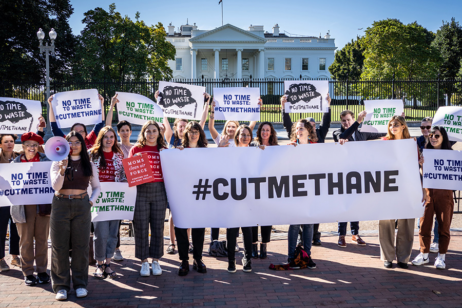
My Testimony in Support of Cutting Methane Pollution
Over the next three days, dozens of moms from across the country will testify before EPA at a virtual public hearing on cutting methane and other harmful pollutants from new and existing oil and gas operations. This is my testimony…
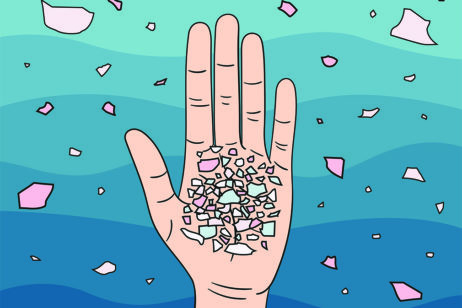
The Real Story on Microplastics
In response to a New York Times article, our Mom Detective writes why she was disappointed in the biased reporting about microplastics.

New York Times Got it Wrong. Microplastics Are Bad.
In response to a New York Times article about microplastics, our Senior Policy Analyst on Petrochemicals tells why plastics industry disinformation report is dangerous.

“We’ve Been Bamboozled by the Plastics Industry!”
“A Poison Like No Other: How Microplastics Corrupted Our Planet and Our Bodies” webinar delivered a scathing indictment of how plastics manufacturers have created an “absurd death spiral” that is loading the environment with so much plastic that it’s even in the air we breathe.

Mom Detective: Why Wrapping Paper Gets a Bad Rap
Paper wrapping is often made from nonrecyclable materials, including plastics. Here are the basics of eco-friendly gift wrapping.
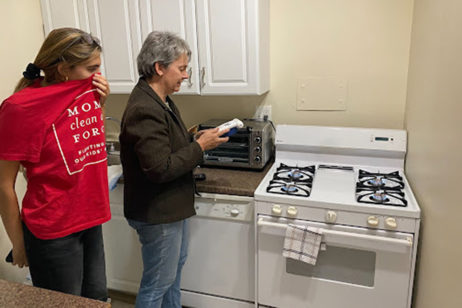
Living With Fossil Fuels: Gas Stove Testing
Two Moms Clean Air Force staff members had their gas stoves tested for harmful air pollutants. Read the results of their investigation.

Declining Global Sperm Counts Spell Troubling Fertility Challenges Ahead
Read this story of a mom’s fertility journey and a new study about declining sperm counts and the environmental exposures that contribute to growing rates of infertility.
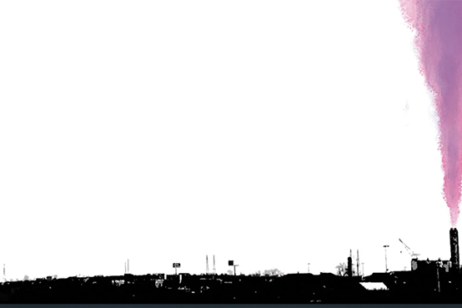
A Newark Neighborhood Takes on a Toxic Trash Incinerator
Burning trash is a dangerous and unjust way to deal waste. In Newark, NJ, a low-income, largely Black and Brown community, fight a toxic trash incinerator.

Protecting Workers and Communities From Chemical Disasters
The nation’s most dangerous industries, such as petrochemical facilities, refineries, and paper manufacturing, are disproportionately concentrated in underserved communities. We urge EPA to adopt a more robust rule delivering the strongest possible protections for those who work in or live in the vicinity of chemical facilities.

Electric School Buses Hit the Roads!
This week, EPA announced nearly $1 billion in awards to local school districts to transition to clean school buses. This is great news for our kids and our climate!

It’s Time to Ditch Gas-Powered Leaf Blowers
Gas-powered leaf blowers release toxic pollutants into the air we breathe. These pollutants, many known carcinogens, can be extremely harmful to human health.