

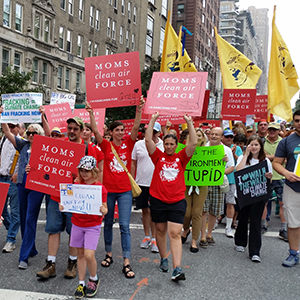
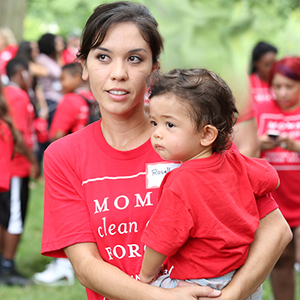





New Yorkers are drowning in single-use plastic. But a bill in the New York state legislature would dramatically reduce plastic pollution—and as a bonus, climate pollution.
Most Recent
New York Lawmakers Poised to Dramatically Cut Plastic Packaging Waste
Ask Mom Detective: Are Reusable Bags as Bad as Single-Use Plastic?
Everything new has an environmental impact. Mom Detective shares tips for ensuring your grocery tote has the smallest possible footprint—and introduces us to the term “bag hoard.”
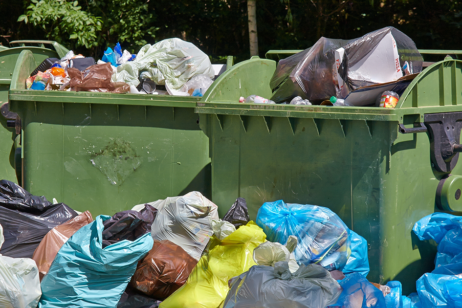
“Chemical Recycling” Is Not the Solution to Plastic Pollution
“Chemical recycling” is a fancy way of saying “burning trash.” It’s a practice that harms communities, and our lawmakers must not be fooled into thinking this is the best path forward. The plastics industry is greenwashing us.
Lessons from Hosting a Podcast on Plastics and Petrochemicals
Moms Clean Air Force intern Osasenaga Idahor, created the podcast “A Plastic People: Petrochemicals, Climate Change, and Our Health. LISTEN HERE!
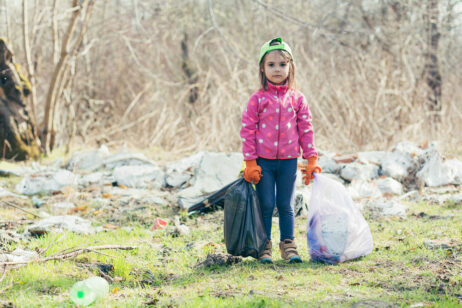
Cut Plastic Waste in New York
The Packaging Reduction and Recycling Infrastructure Act will cut single-use packaging in half, as well as to remove toxic chemicals such as PFAS, benzene, toluene, phthalates, bisphenols, and heavy metals from plastic packaging.

Diane Wilson, 2023 Goldman Prize Winner: “The Plastic Age Needs to End”
Diane Wilson is proof that one person’s concern about the future of our planet can create significant changes. A 2023 Goldman Prize Award winner who took on the petrochemical industry.

The Petrochemical and Plastic Crisis Is Spinning Out of Control
Plastic is ubiquitous, even for those of us that try to avoid it, and it’s bad news. A new report warns that while manufacture and use of essential plastics may continue, failing to act now on “reckless increases in plastic production” will have immense costs.
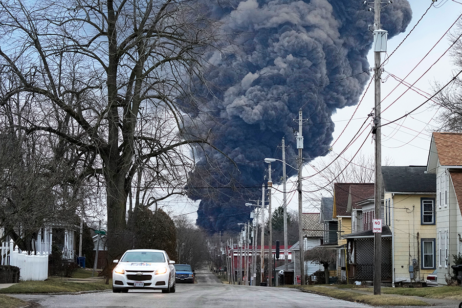
The Ohio Train Derailment Is a Petrochemical Health Disaster
EPA needs to hold the petrochemical polluters and the companies that run “train bombs” through our neighborhoods accountable. These companies should be paying the entire cost of cleanup and providing future support and health care for those who have been exposed to their carcinogenic chemicals.
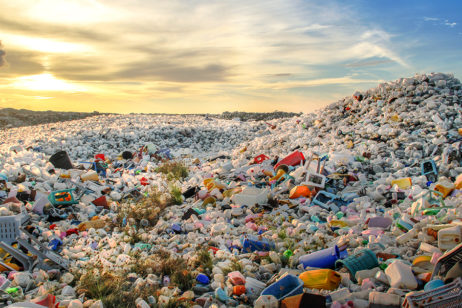
Why Is EPA Fast-Tracking Plastic Trash as a Renewable Biofuel?
Plastic is not a biofuel. So why is EPA inserted waste plastic into a program designed to fast-track the production of renewable fuels from plants, algae, and other biological sources.

Ohio Train Derailment Highlights Toxic Plastic Pollution
Communities continue to be concerned about the health impacts of toxic petrochemical pollution from the recent train derailment in East Palestine, Ohio.
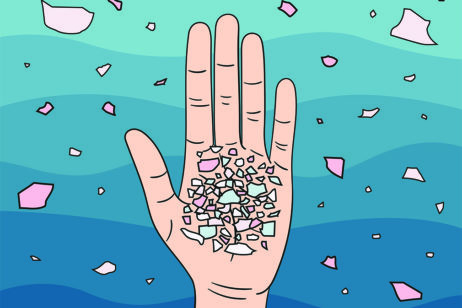
The Real Story on Microplastics
In response to a New York Times article, our Mom Detective writes why she was disappointed in the biased reporting about microplastics.

New York Times Got it Wrong. Microplastics Are Bad.
In response to a New York Times article about microplastics, our Senior Policy Analyst on Petrochemicals tells why plastics industry disinformation report is dangerous.