


As the birthplace of the oil and gas industry, Pennsylvania has by far the highest number of extremely old orphan and abandoned wells in the country—many dating back to the 1850s before records were kept—with estimates range from 300,000 to 760,000 undocumented wells. These are wells that have either been left behind by their operator and are no longer in service, becoming the responsibility of the federal, state, or Tribal government, or are not in service any longer and do have a known owner.
These oil and gas wells can spew pollution into our air, water, and atmosphere, harming people’s health and accelerating global warming. And they are everywhere—in building basements, farm fields, forests, waterways, and around homes. If you live in Pennsylvania, they may even be in your neighborhood.
Tell EPA: Delaying Methane Pollution Protections Is Shameful
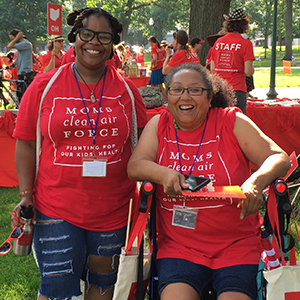
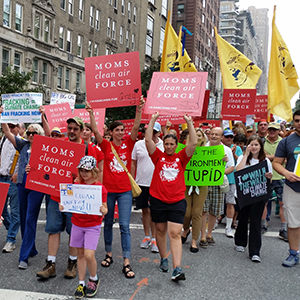
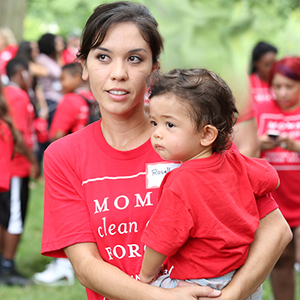
That’s why Pennsylvania Moms have teamed up with the Environmental Defense Fund and the commonwealth’s Department of Environmental Protection to tackle this massive problem. Since the fall of 2024, crews have been working with selected communities throughout western Pennsylvania to search for orphan and abandoned oil and gas wells, specifically targeting places where wells are suspected or that have a history of gas leaks that could be from wells.

This isn’t the first effort to find and plug orphan and abandoned wells in Pennsylvania. With the help of millions of dollars of funding from the Infrastructure Investment and Jobs Act and Governor Josh Shapiro’s support, the Department of Environmental Protection has plugged over 300 wells in the last two years. But the sheer volume of wells left to plug means more funding and more support will be needed to address this problem in the long-term. The Moms-EDF Pennsylvania Abandoned Well (PAW) Project will help to identify the locations of these wells and illuminate the true scope of the problem in Pennsylvania, including the potential impacts of wells on nearby families and communities.
The orphan well project’s not-so-humble beginnings
The PAW Project began in an eight-square-mile region of rural and mountainous northwest Pennsylvania, some of the toughest terrain in which to find wells. Using drones that were specially equipped with methane gas sensors and magnetometers to identify the magnetic signature of oil and gas wells, we found and documented approximately 250 orphan and abandoned wells.
From Northwest Pennsylvania, our efforts moved this summer to six communities just outside Pittsburgh. Here towns and cities were basically built over unplugged wells that were drilled between the 1850s and 1950s, before any regulations were in place. In addition to drones, the project will include testing methods for finding wells using vehicles with sensors that can pick up gas leaking and walking surveys with backpack magnetometers to verify well locations.
We hosted a series of community meetings in each targeted community, where local families were presented with information about the project, why orphan wells are a problem, how the wells will be located, and the process for prioritizing and plugging wells in the future. The idea was to include and empower local stakeholders from the start, and it’s worked. The project has support from government leaders, police and firemen, small business owners, and property owners.
Why are there so many unplugged orphan and abandoned wells in Pennsylvania?
In the second half of the 20th century, federal standards were set to plug inactive wells and protect surrounding communities, but noncompliance with these standards in Pennsylvania is widespread and institutionalized. Some states require companies to obtain financial assurance instruments, like bonds, to cover well-plugging costs or use other programs to ensure plugging. But Pennsylvania’s requirements to ensure oil and gas operators clean up after themselves by plugging wells are among the weakest in the nation. Without strong safeguards to encourage well operators to protect community members, taxpayers, and the environment when their wells reach the end of their life, the abandonment of oil and gas wells in Pennsylvania will likely continue.
Our health is at stake
Studies in states across the country have shown that orphan and abandoned wells can be a significant source of climate-warming methane pollution. But methane isn’t the only pollutant these wells emit. People living near oil and gas wells are at increased risk of exposure to air pollution, including volatile organic compounds (VOCs) and other toxic chemicals, as well as contaminated groundwater, soil, and odor.
One study in Pennsylvania found that 70% of abandoned wells surveyed emitted the VOC benzene, which can cause cancer and damage the nervous, immune, and respiratory systems. Benzene is also associated with low birth weight. Plugging wells—once they’re located by programs like the PAW Project—will protect our environment and climate, along with public health and safety.
Ready to take action? Anyone can help identify orphan and abandoned wells. If you happen to smell or otherwise find a potential orphan well near where you live, report it to your local environmental agency. And join Moms Clean Air Force in urging urge elected officials to provide funding and the tools needed to locate, catalog, and clean up orphan wells in Pennsylvania and nationwide—and to hold industry accountable to their ongoing plugging and remediation obligations.
Learn more about the PAW Project in our recent webinar.
Tell EPA: Delaying Methane Pollution Protections Is Shameful