

Each month, we highlight a Supermom of the Month, a member who has gone above and beyond to advocate for clean air and children’s health. Our members in states across the country are more important than ever as we work to preserve clean air and climate protections. Will you join us?
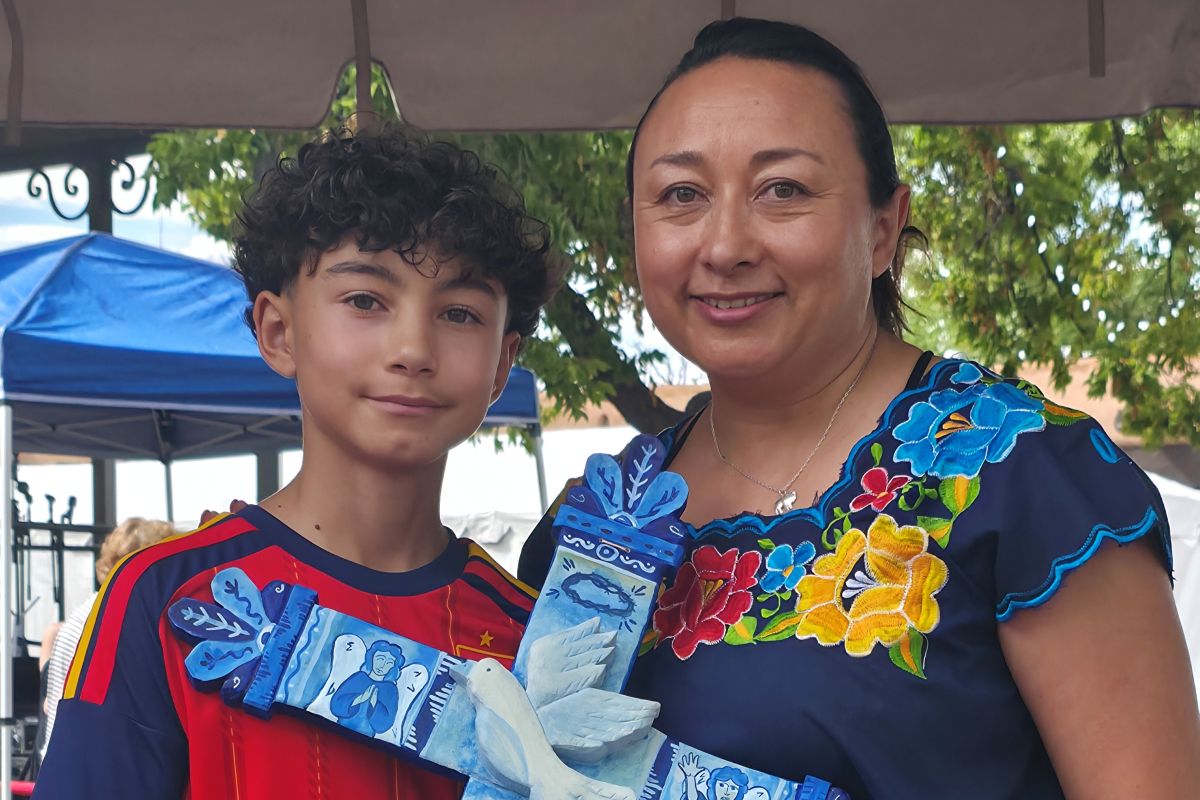
This month, we’re celebrating Celestina Garcia, mom to a 13-year-old and manager and professional development trainer for the State of New Mexico. Celestina was nominated by Moms Organizer Giovanna Rossi for “generously sharing her time and story to help elevate the voices of families impacted by climate change and air pollution.”
Celestina is far from your average volunteer. Yes, she attends community events to help spread the word about how clean air impacts public health. But this year, she has also shown incredible courage and generosity by allowing Moms and our partners to feature her land and story in a wildfire-focused social media video. The compounding extreme weather Celestina and her family have endured in the four years since climate-change-fueled wildfires ravaged her community is heart-wrenching. Here is her story.
Tell Congress: Support Mental Wellness Resources for Communities Facing Weather Disasters
How did you first become interested in environmental and air quality issues?
My family has been in New Mexico for 14 generations. I come from a long line of people connected to the land—we’re ranchers. We have always planted crops and had animals. We are land grant owners from northern New Mexico, and our environment is a huge part of how we live. Air quality became especially important for my family during the Calf Canyon fires in 2022.
Tell us more about the Calf Canyon fires and how they impacted your family.
At the time, I was living with my son and parents at their ranch, about 30 minutes outside Las Vegas, New Mexico. The fires began on a weekend with extreme wind. No one from our community would ever have started a fire with that wind, but the Forest Service did it anyway [as part of their prescribed burn plans]. The fire became one of our biggest nightmares.
On the day we were evacuated, I was at work, and my colleagues came rushing to my door: “You need to get home right now. They’re evacuating your area.” By the time I made it, the state cops had already blocked the roads. My parents and son were at our ranch. Because the utility had cut the power as a precaution, they didn’t have internet or a phone so didn’t know to evacuate. The cops told me I was not allowed to go evacuate them; they would do a wellness check. So I drove to the other side of the mountain and walked up and over it to my parents’ home. I had adrenaline going. We packed as much as we could and drove out. We were evacuated for 30 days.
What was it like coming back to the ranch after a month away?
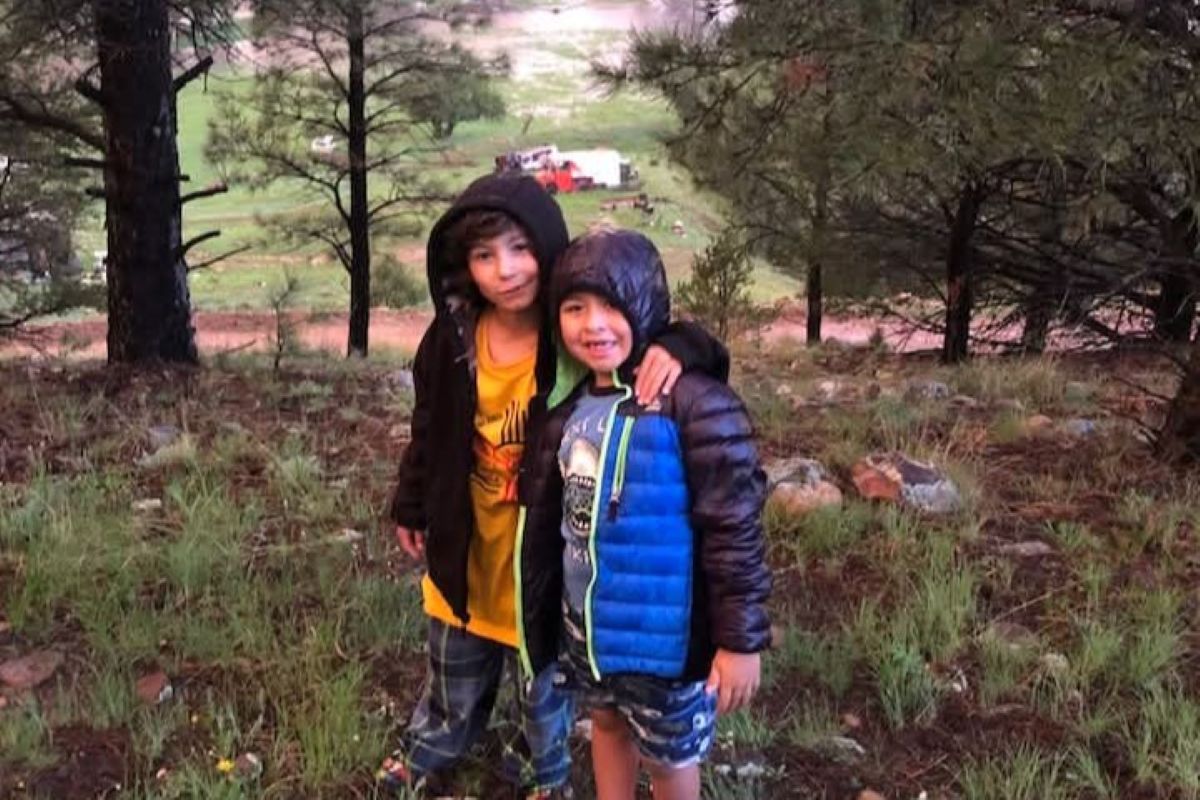
Many in our community lost everything; acres of beautiful forestry were burned down to toothpicks, homes melted to the ground. To this day, it’s traumatic to drive through the area and see what my son and nephew call “the tree graveyard.”
Even after we returned, our sky was orange pink for days and days. The air quality was horrible. Our animals couldn’t drink from the river because of the ash and debris. We had to truck in clean water.
Without the trees, anytime it rains in the mountains now, our community experiences dangerous flooding. What used to happen once every five to eight years now happens every time it rains. There are no trees to hold the soil or water; no trees to take care of the wind patterns. We live a completely different life because the trees are gone. Because our property is at the lower end of the valley, it gets completely flooded for acres. There are no warning signs; the flooding happens immediately.
We’ve lost our family bridge, which is how we get across the river to the rest of the world, three times. It’s costly, in terms of the expense and the personal labor. We don’t have heavy equipment on our ranch, so my dad, who’s in his 70s, has done all the repairs of the bridge and the road by hand.
Have there been fires since Calf Canyon?
Yes, there was one the following year closer to our home. We were evacuated for a week. Thankfully, they contained it quickly. But that was extra PTSD.
After that second fire, a tornado came over the mountains through the burn scar. No warning, no sirens. It hit my parents’ land. We spent three weeks cleaning up the destruction.
Has your family experienced any health impacts from these weather disasters?
My dad has chronic obstructive pulmonary disease (COPD), and we believe it’s because he went back to the ranch earlier than the rest of us. In the last year, he has also undergone two surgeries because of brain bleeds. This man was one of the toughest people you could ever meet. We believe that the bleeds may be caused by strenuous work after the fires, like a power lifter will get if they lift too heavy. Since the surgeries, my father’s been relearning to walk, talk, and rebuild his health. He and my mom have not been able to live at the ranch.
For me, it’s been stress and constant fear. Growing up my cousins, my brother, and I would play down by the ranch’s river in the summertime. But that’s not something my son or nephew can do. Now the area by the river is a flood zone; it becomes a mini ocean in the rain. We are vigilant: Where are our kids? How is the weather? Has it changed?
There’s also an immense amount of anger, sadness, and depression about how our community has been treated by FEMA and others. This wasn’t our fault, and there’s no apology that can change what happened to us.
How do you stay motivated to keep sharing your story and taking action?
I was a part of social and environmental justice projects when I was younger; I’ve learned from elders how to use my voice. A lot of my community is not ready to speak out. It’s hard to talk about and challenging to be kind and peaceful about it. But for me, it’s important that people don’t forget how important their choices are. The Calf Canyon fire absolutely could have been avoided.
Tell Congress: Support Mental Wellness Resources for Communities Facing Weather Disasters