


This resource has been factchecked by policy experts, using the latest scientific research. Find all our sources linked below.
Why short-term spikes in soot pollution matter
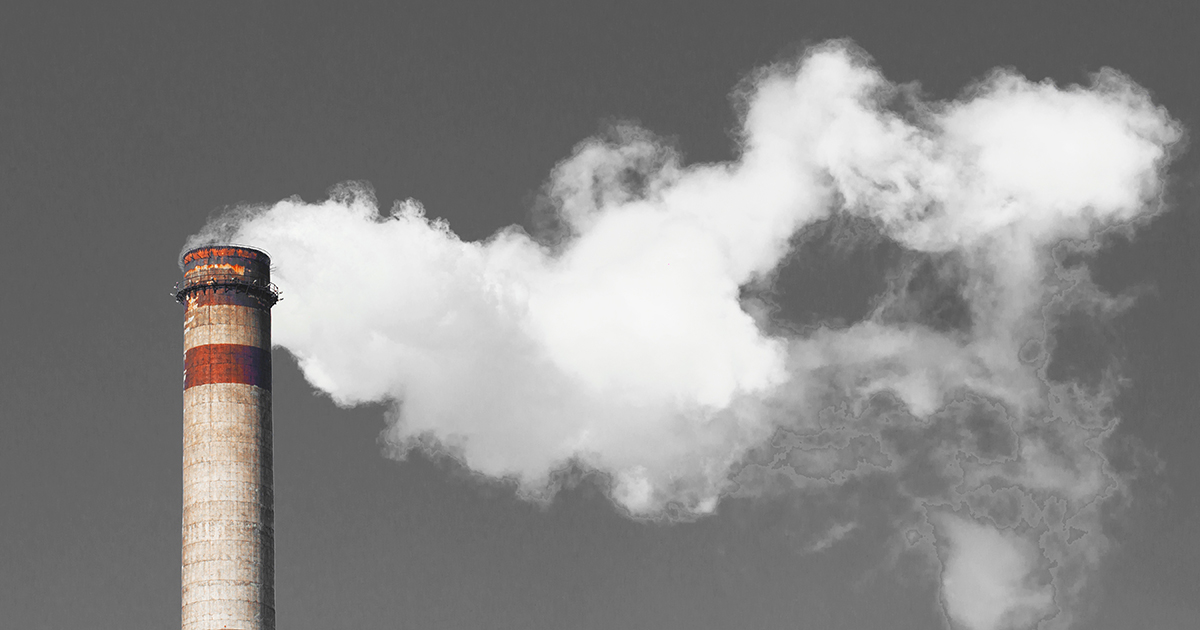
Soot is the common name for a kind of air pollution which consists of tiny droplets or particles in the air. It is also called particle pollution or PM2.5. You can think of the tiniest of these particles as “micro-soot.” 30 times smaller than the width of a human hair, they are easily inhaled and can become embedded in our lungs and pass directly into the bloodstream.1 They are dangerous for our health.2 Soot particles can come from burning fuel for energy, such as from industrial processes and vehicle exhaust. Soot is also found in wildfire smoke.
63 million people in America experience short-term spikes in soot pollution.3
What are “short-term” spikes in air pollution?
Soot is bad for our health when we’re exposed to it over time, but it can also be harmful when inhaled over a period of a few hours or days. When the Environmental Protection Agency (EPA) refers to “short-term” exposure, they’re referring to pollution levels that happen during a 24-hour period of time.
In a day, a spike in soot pollution can affect your lungs, heart, and brain. A spike in soot pollution can affect the health of developing babies.
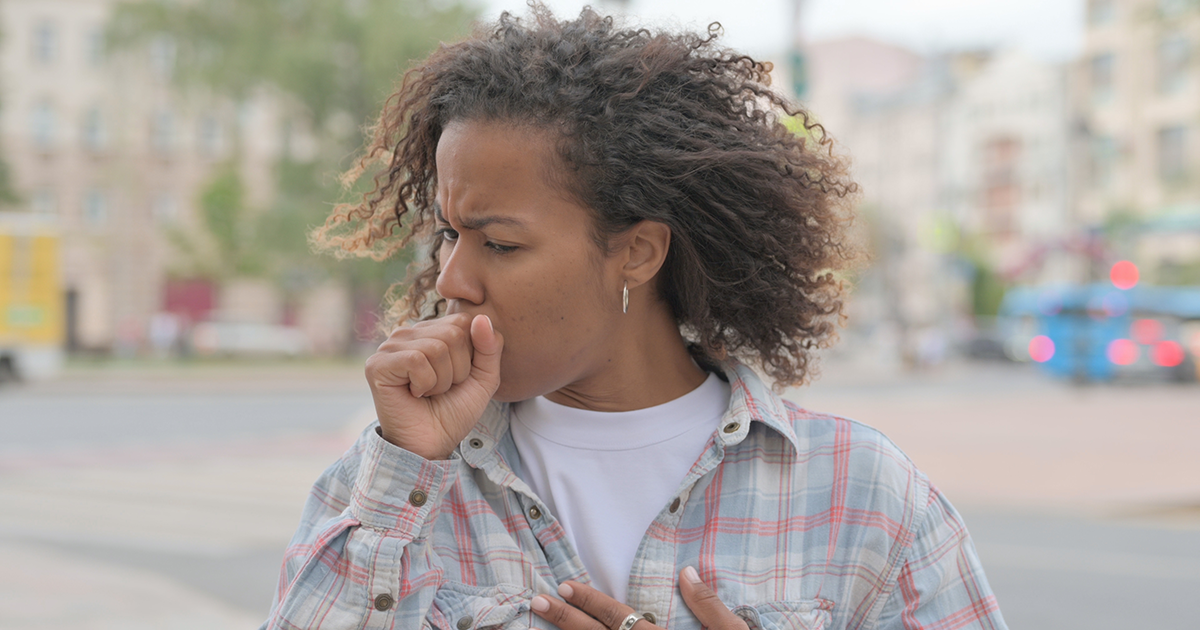
Short-term exposure to high levels of soot can cause serious health impacts.
Health impacts can include4:
- Premature death
- Increased infant mortality
- Increased hospital admissions and emergency department visits for heart and respiratory illness
- Increased asthma severity in children
- Increased hospitalization for pediatric asthma
- Mental health impacts5
Babies, children, and pregnant people are especially vulnerable to the health harms of soot pollution, in large part because little lungs are still developing. Older adults and people who spend a lot of time outside, like outdoor workers, are also at higher risk for soot-related health problems.
Short-term spikes in soot pollution are an issue of environmental justice.
Communities that live near pollution sources like power plants, factories, and heavily trafficked roads are disproportionately affected by short-term spikes in air pollution. Because of racist practices like redlining, these are often communities of color. People of color are 61% more likely than white people to live in a county where the air is unhealthy to breathe.6
A day's exposure to a spike in dangerous soot pollution can mean lasting stress and trauma for families and communities.
How is soot pollution regulated?
In the United States, the Clean Air Act empowers the EPA to set National Ambient Air Quality Standards (NAAQS). The NAAQS establish health-based standards for some common outdoor air pollutants that are known to be harmful to human health, including soot pollution. The NAAQS include both annual standards, which set a health-based limit of pollution exposure in a year, and 24-hour standards, which set a health-based limit for pollution exposure within a single day. The NAAQS soot standards were last strengthened in 2012. We have learned a lot about how air pollution affects our health since then.
In February 2024, EPA finalized revised standards for soot pollution, setting the new annual standard at 9 micrograms per cubic meter. They did not strengthen the 24-hour standard. These standards are weaker than the most protective standards recommended by the Clean Air Scientific Advisory Committee (CASAC).
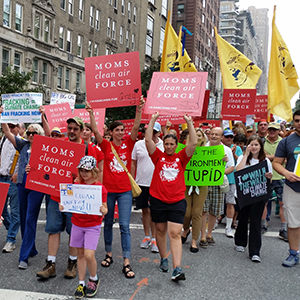
EPA’s soot standards aren’t strong enough to protect our families and communities from avoidable health harms. Join Moms Clean Air Force to call on EPA to address short-term spikes in air pollution. Short-term exposure to soot pollution matters.
Learn more about Moms' work on soot pollution.
Full list of sources.
Updated: February 2025