

Fruita, CO – Concerned residents of Fruita, Colorado, have successfully prevented the construction of a plastics-to-fuel chemical pyrolysis facility in their community, citing serious environmental, health, and safety risks associated with the controversial and unproven technology known for creating toxic hazardous waste. The company behind the proposed plant is now seeking to relocate to Grand Junction, sparking renewed concerns among Western Slope residents.
“Our water is sacred; our air is life. Fake recycling schemes that burn plastics and release toxins into our land do not protect the earth—they poison it. We must defend our communities from industries that see rural Colorado as disposable,” said Gabriel Otero Fruita Resident and GreenLatinos member.
Chemical pyrolysis, a process that involves heating plastic waste at high temperatures to break it down into fuel or raw materials, has been widely criticized by environmental experts. While often marketed as an “advanced recycling” technique, pyrolysis has been linked to toxic emissions, hazardous waste byproducts, and an increased risk of fires and explosions. These risks, coupled with the facility’s close proximity to neighborhoods, schools, and vital water sources, fueled community opposition.
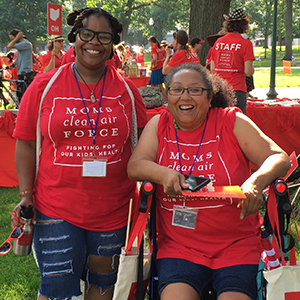
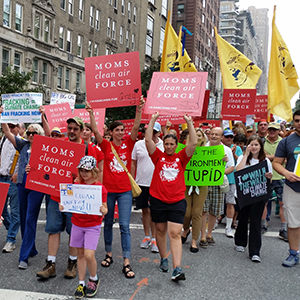
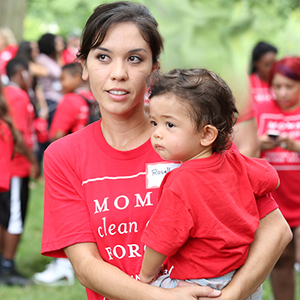
Moms Clean Air Force, GreenLatinos Colorado, and Eco-Cycle worked with a bipartisan group of concerned residents who mobilized to educate the public and elected officials about the dangers posed by the proposed facility. Their efforts included collecting over 1,300 signatures for their petition in two weeks, printing yard signs, direct engagement with local leaders, and mass attendance at a town hall meeting and facility site tour, asking intentional questions about siting, emissions, hazardous waste, air quality and source plastics, ultimately leading to the company’s decision to withdraw its plans for Fruita.
“We are an agricultural community that sticks together to support our local culture. We don’t need experimental technology sneaking in the back door, or out of state start-ups making money at the risk of our health and livelihoods,” said Rhonda Hanley, a local resident. She continued, “This really strengthened our commitment to be involved and make our voices heard.”
Despite this success, the company’s attempt to relocate to Grand Junction has raised fresh concerns. Brian Loma, Hazardous Materials and Waste Diversion Advocate for GreenLatinos said, “Moving this type of hazardous facility to Grand Junction highlights the concerns of Fruita residents for a larger, disproportionately impacted community who already live with issues of toxic air production. We are dedicated to continuing to warn about the dangers of this experimental technology.” Some Fruita residents as well as statewide Environmental Justice Groups, who mobilized against this facility in their neighborhood are now seeking ways to work alongside Grand Junction community members to ensure that their concerns are heard and that public health and environmental integrity remain top priorities. A celebration event is planned for Sunday.
“As a mom raising her family in Colorado, I applaud the residents of Fruita for pushing back against the Astera chemical pyrolysis facility in their community—a project that was halted last week,” said Laurie Anderson, Field Organizer, Moms Clean Air Force-Colorado Chapter. Using unproven microwave technology on plastic waste is not a solution to the plastic crisis, it simply moves the pollution from landfills to the air our children breathe– just like relocating this facility merely shifts the potential health-harming pollution to neighboring Grand Junction.”
In addition, the viability of the proposed Astera plant is questionable, not only on the basis of environmental and public health concerns, but also because Colorado’s statewide recycling law does not consider such operations as recycling. “After we reviewed our state recycling law and learned that Astera’s process doesn’t meet the definition of recycling, we realized there is little to no incentive for waste management or recycling operations in the Valley to provide PET, the most recyclable type of post-consumer plastic, to Astera for feedstock to its process,” said Linda Kemp, a nearby resident and retired environmental / air quality scientist living in unincorporated Grand Junction. “How could the Astera plastics conversion plant be viable if no PET feedstock can be sourced from the Grand Valley or elsewhere in Colorado?”
“In my years of fighting polluting projects, I have never seen a community come together so quickly to fight a plastics-to-fuel project,” said Ryan Call, Campaigns Coordinator for Eco-Cycle. “There’s no place in a sustainable, circular economy for plastics-to-fuel processes–not in Fruita, not in Grand Junction, and not anywhere else. The real solution to the plastic pollution crisis is to create less plastic in the first place.”
The fight against chemical pyrolysis facilities is part of a larger movement advocating for sustainable and truly safe waste management solutions. Environmental experts emphasize the need to reduce plastic production, expand traditional recycling programs, and invest in non-toxic alternatives to plastic waste disposal.
West slope resident quotes in bold.
For media inquiries or to support ongoing efforts to protect local communities from hazardous industrial projects, please contact:
Laurie Anderson –Colorado Field Organizer, Moms Clean Air Force, landerson@momscleanairforce.org
Brian Loma – Hazardous Materials and Waste Diversion Advocate GreenLatinos Colorado, brianloma@greenlatinos.org
Ryan Call – Campaigns Coordinator Eco-Cycle. ryan@ecocycle.org