

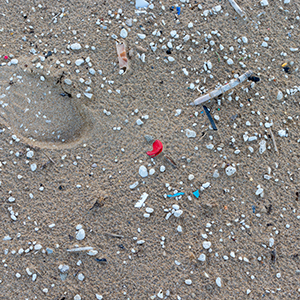



Microplastics are tiny particles of different kinds of plastic that come from many sources. At less than five millimeters in size, most are jagged with sharp edges and are too small to see. It is the smallest ones that are the most dangerous since they can penetrate cell membranes, induce inflammation, and disrupt metabolic processes. The tiniest of plastic fragments, called nanoplastics, are smaller than one micron, cannot be expelled by the body, and are far more abundant and dangerous than the larger microplastics.
[Op-Ed] “We Didn’t Know”: How Climate Change and Air Pollution Are Silently Endangering Maternal Health
Letter: U.S. activists call on Dept. of Energy to revoke $182 million IRG loan guarantee
Two Latina moms who are standing up for climate justice
Las madres latinas luchan por la justicia climática
Allison recognized for her public health advocacy
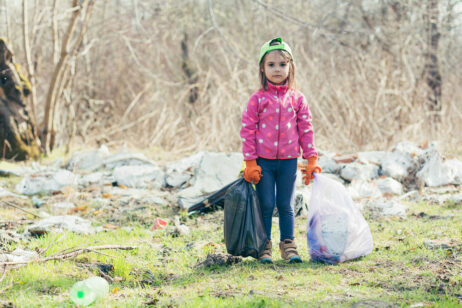
Letter to Colorado House Opposing Repeal of Recycled Paper Carryout Bag Fee (HB 25-1052), February 6, 2025
Date: February 6, 2025 Re: HB 25-1052 Thank you for taking my comments. I would like to give acknowledgement of the ancestral lands of over 574 Tribal Nations where we stand on the ancestral lands of 48 Tribal Nations. Today, we have over …
Invisible Threat
Around the Region – May 2
Senate votes to overturn EPA rule that limits 7 hazardous air pollutants

Heartbreak and Chaos: Moms Clean Air Force’s Dominique Browning on President Trump’s First 100 Days
Moms’ Co-Founder and Director Dominique Browning responds to Trump’s first 100 days in office.
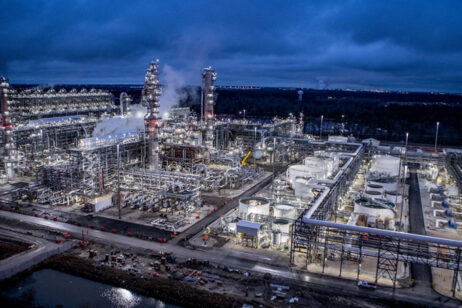
Las plantas de craqueo de etano
Este recurso ha sido verificado por expertos en políticas, utilizando las últimas investigaciones científicas. Encuentre todas nuestras fuentes en los enlaces a continuación. Las plantas de craqueo de etano utilizan el etano, una sustancia química de origen fósil, para crear pequeñas bolitas …