


This resource has been factchecked by policy experts, using the latest scientific research. Find all our sources linked below.
Climate chaos is wreaking havoc on air quality. Greenhouse gases like carbon dioxide and methane heat the climate, leading to extreme temperatures and worsened wildfires, which, in turn, add more pollution to the atmosphere. It’s a terrible cycle and a major threat to people with asthma. In the United States, nearly 28 million people have asthma, including approximately 5 million children.

Asthma triggers made worse by climate chaos
While not all people with asthma have the same triggers, the following common ones are all being made worse by climate change.
Heat
Hot and humid weather can cause asthma symptoms to flare because high temperatures and humidity can cause the airways to tighten and become narrower, making it harder to breathe. And heat waves and seasons of high temperatures are becoming increasingly common and lasting longer. Warm weather activities like playing sports, exercising, and even camping on hot and humid days can also increase respiratory problems. Warmer weather also traps greenhouse gases in the atmosphere and worsens ground-level ozone levels (see below).
Mold
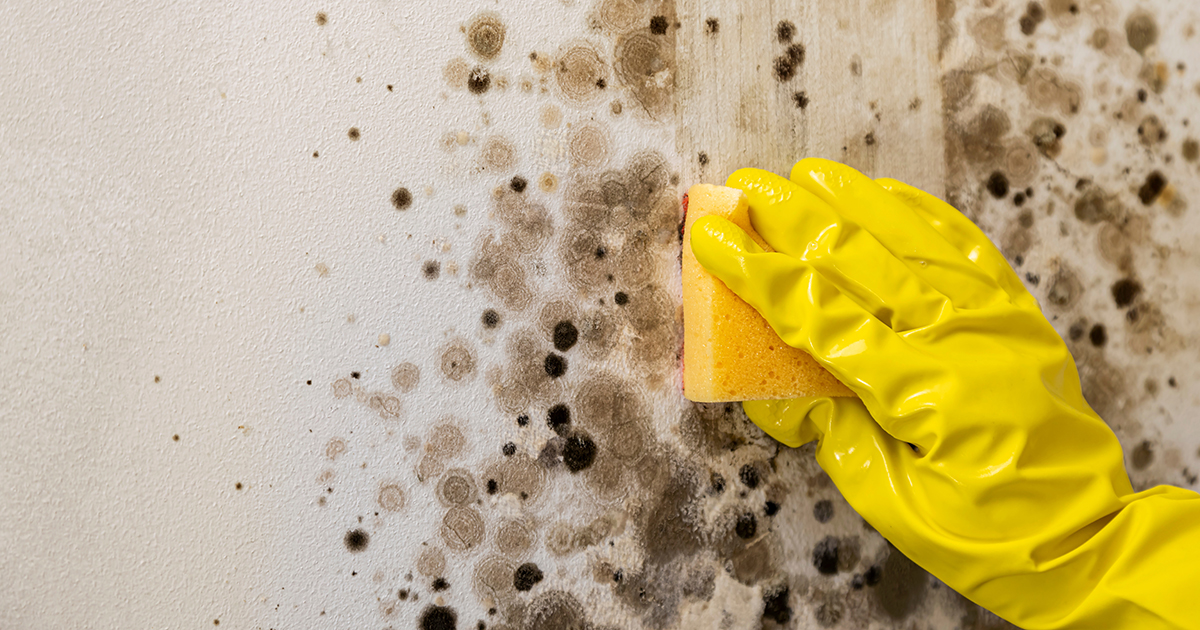
One frequent trigger of allergic asthma is mold. Changes related to the climate crisis, including extreme temperatures, increased rainfall, more intense weather events like hurricanes and flooding, and higher moisture in the atmosphere, all create ideal conditions for mold to thrive and spread. Whether allergenic spores are lingering indoors post flooding or airborne outdoors, this climate change-induced mold is leading to increased asthma attacks.
Pollen
Climate change has shifted rain and frost as well as made the air warmer, changing when pollen season starts and ends, plus making it last longer. It can also impact how much pollen is created, how much is in the air, and how much we’re all being exposed to. Pollen is an airborne allergen, so these changes have led to longer and more intense allergy seasons. Higher concentrations of pollen as well as lengthened growing seasons increase exposure to the allergens that trigger asthma as well as other respiratory and seasonal allergic responses.

Ozone
Warmer air helps create ground-level ozone, a.k.a. smog, a powerful air pollutant and lung irritant formed when chemicals from power plants, cars, natural gas drilling, and other sources mix with heat and sunlight in the air. More heat equals more smog, especially in large cities. Ozone pollution is harmful to breathe, irritates lungs, and can trigger asthma attacks. Breathing elevated levels of smog is like getting sunburn on the lungs.
Smoke
Climate change is increasing wildfires by creating the hot, dry conditions that help the fires catch and spread. Smoke from wildfires can travel far and wide, thousands of miles from the original source. Wildfire smoke is a mixture of soot pollution and gases, including volatile organic compounds, nitrogen oxides, and carbon monoxide. When inhaled, these particles cause irritation and inflammation in the lungs, which can lead to increased asthma symptoms and attacks.

Climate warming, asthma, and equity
In the U.S., asthma rates are highest in Black and Indigenous adults. About 10 out of 100 Black and Indigenous adults have asthma, compared to nine out of 100 white adults. Black children are nearly two times more likely to have asthma compared to white children.
Asthma is also more common in communities living below the federal poverty level. Historically marginalized Black communities are more likely to be located near oil and gas development, petrochemical production, and other heavily polluting industries. These exposures can exacerbate asthma.
Majority Black, Hispanic, and Indigenous American census tracts also face elevated levels of toxic smoke and particle pollution from wildfires.
What to do
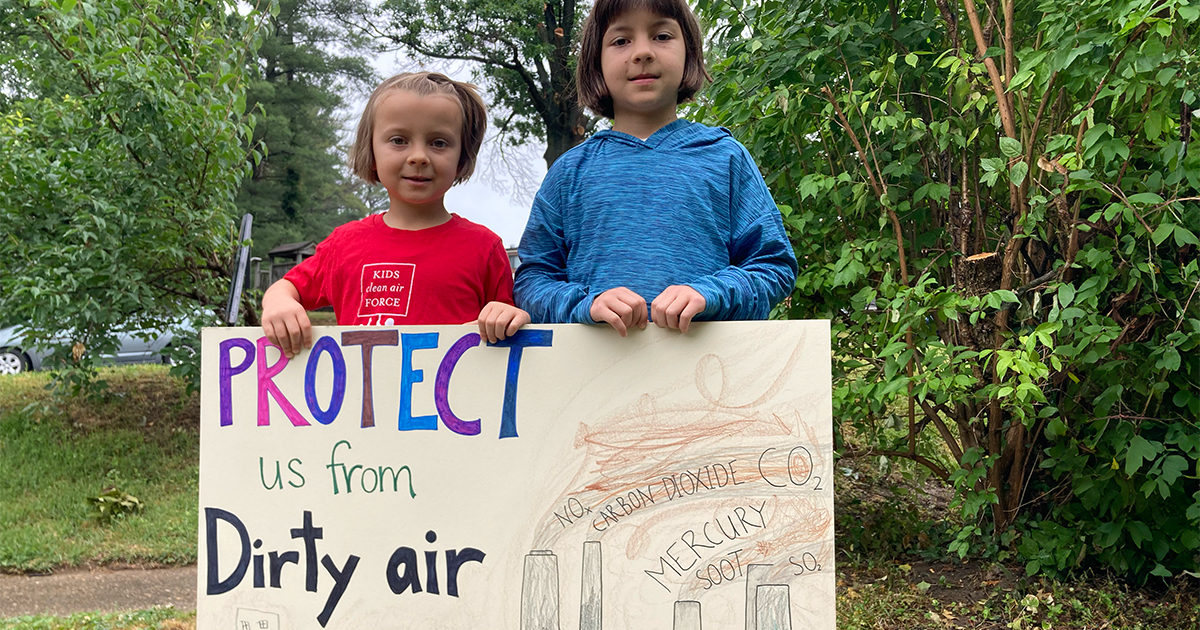
People with asthma can take tried and true steps to safeguard their health, like knowing their specific triggers and checking the Air Quality Index (AQI) and pollen counts to plan days accordingly when numbers are unhealthy or elevated. They can develop an Asthma Action Plan with their doctors plus dehumidify and filter indoor air. Asthma sufferers can even do their part to reduce greenhouse gases by advocating for cleaner energy.
But ultimately, it is not up to people with a lifelong, chronic illness to protect themselves from air pollution related to climate change. Tackling climate change is too big of a job for asthma sufferers alone. We need government officials to enact large-scale solutions to protect all our lungs, including the extra-vulnerable lungs of children and babies.
Reach out to government officials—local and federal—to express your concerns about asthma, air pollution, and climate change.
Full list of sources.
Released: October 2026