


“I felt so overwhelmed by the plastic bags,” Amanda Rowoldt tells me. “Mountains of plastic grocery bags would accumulate in my kitchen, and I’d feel obligated to find a time to take them to Kroger to recycle them. I felt like I was drowning in plastic. Trying to get rid of it, trying to do the right thing with it, arguing with my husband about which bin to recycle it in. I felt like it was up to me as an overwhelmed mom to take action on plastic.”
Tell Congress: Burning Plastic Is Not a Solution to the Plastics Crisis
Plastic bags, it turns out, come with a lot of plastic baggage. Amanda, Moms Clean Air Force’s new Ohio Field Organizer and a mother of two, isn’t alone. There’s a growing vocabulary for the complicated emotions that can accompany our plastic-laden, consumption-focused, Global North lifestyles: plastic guilt, green guilt, environmental guilt syndrome, and eco-shame and eco-guilt. These emotions are often closely bound with distress about the climate crisis. In recent years, as it’s become clearer that plastics recycling is a myth designed to prop up the fossil fuel industry’s bottomless greed for profit, more and more of us are feeling greenwashing grief too.
Gift-giving holidays and birthdays can amplify these emotions. The social and cultural pressure to buy material objects for our children is intense, and the items we accumulate during these seasons are often plastic toys that our children don’t really need and that don’t generate lasting joy or meaningful memories. For me, the “plastic baggage” I feel when buying a plastic toy my kid is begging for is only intensified when that toy is old news just weeks later.
Environmental emotions can be gendered in ways that unfairly and disproportionately burden women—something that Amanda has experienced firsthand and that I’ve experienced too. Researcher and psychologist Dr. Allie Davis describes the phenomenon of “green motherhood,” in which mothers are expected to be both caregivers and environmentally conscious consumers. We’re asked to save the earth through a never-ending gymnastics routine of avoiding single-use plastic within the profoundly unsustainable conditions of modern motherhood. It’s pressure that, Davis says, “not only risks psychological strain for mothers but also reinforces consumerist solutions that fail to address the root causes of environmental harm.”
Our eco-emotions also point to an important, hard-to-hold truth: for many of us living in the Global North, our privileged lifestyles are entangled in the root causes of environmental harm. We do use far more than our fair share of resources, and other humans and the more-than-human world suffer because of this. The cheap Minecraft figurines our kid desperately wanted for their birthday and the single-use plastic wrappers for their favorite granola bars will end up in a landfill someday. It’s not our fault as individuals that this is the case, and the primary blame for this harm should fall squarely on fossil fuel companies and the capitalist infrastructure that enables them. Nevertheless, our lives and choices are entangled in this mess, and our psyches know it.
What, then, can we do with the complexity of our guilt-flavored environmental emotions? How do we come into right relationship with what we are actually responsible for, and reject the versions of consumer guilt that only reinforce systems of harm and oppression?
One step might be to acknowledge that painful emotions about the environmental impact of our lifestyles can serve an important purpose: sometimes, these emotions can be powerful motivators for positive change. Recent research from the Yale Program on Climate Communication found that people experiencing psychological distress about climate change are more likely to engage in collective action; other research has found connections between eco-guilt and pro-environmental behaviors too.
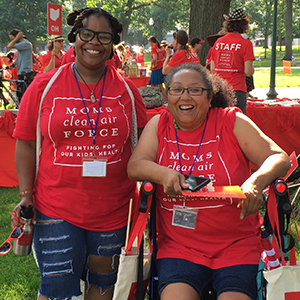
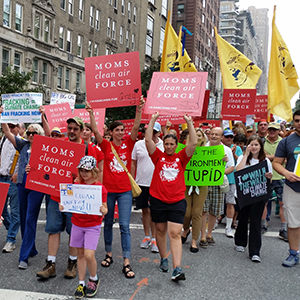
Engaging in collective action might be one of the very best ways to cope with difficult environmental emotions. It has made a huge difference for Amanda. As a field organizer for Moms Clean Air Force, she’s now focusing her energy on pushing for systemic change, such as meeting with Congress members to encourage them to push back on false solutions to the plastics crisis.
“I feel such a sense of relief in understanding that plastic is a systemic problem,” Amanda says. “We’ve been lied to; the plastics industry has set us up to feel like failures, and this is only causing us anxiety and frustration. Being at Moms has allowed me to redirect my anger: plastic is no longer my problem as an individual; it’s now on Congress to do the right thing.”
Collective action isn’t a cure-all for painful environmental emotions; as someone who has been deeply engaged in collective action for years and still feels eco-guilt on a regular basis, I can attest to this. Yet research shows that participating in collective action has meaningful mental health benefits for people struggling with environmental distress: it can help us generate experiences of hope and solidarity and it can help buffer the impacts of eco-anxiety, an experience that often goes hand in hand with eco-guilt.
At the end of the day, collective action is a powerful reminder that it’s not up to any of us to save the world on our own; we don’t have to carry the “plastic baggage” of consumer guilt alone. Amanda says, “There’s relief in understanding how large the issue is… I can give myself more grace now.”
Here’s hoping we can all find ways to deepen our engagement in collective environmental action in the coming year—and in doing so, give ourselves a little more grace.
Learn more about Moms’ work on petrochemical pollution.
Tell Congress: Burning Plastic Is Not a Solution to the Plastics Crisis