My Climate Job is our series about careers in fields that fight climate disruption or are impacted by the climate crisis.
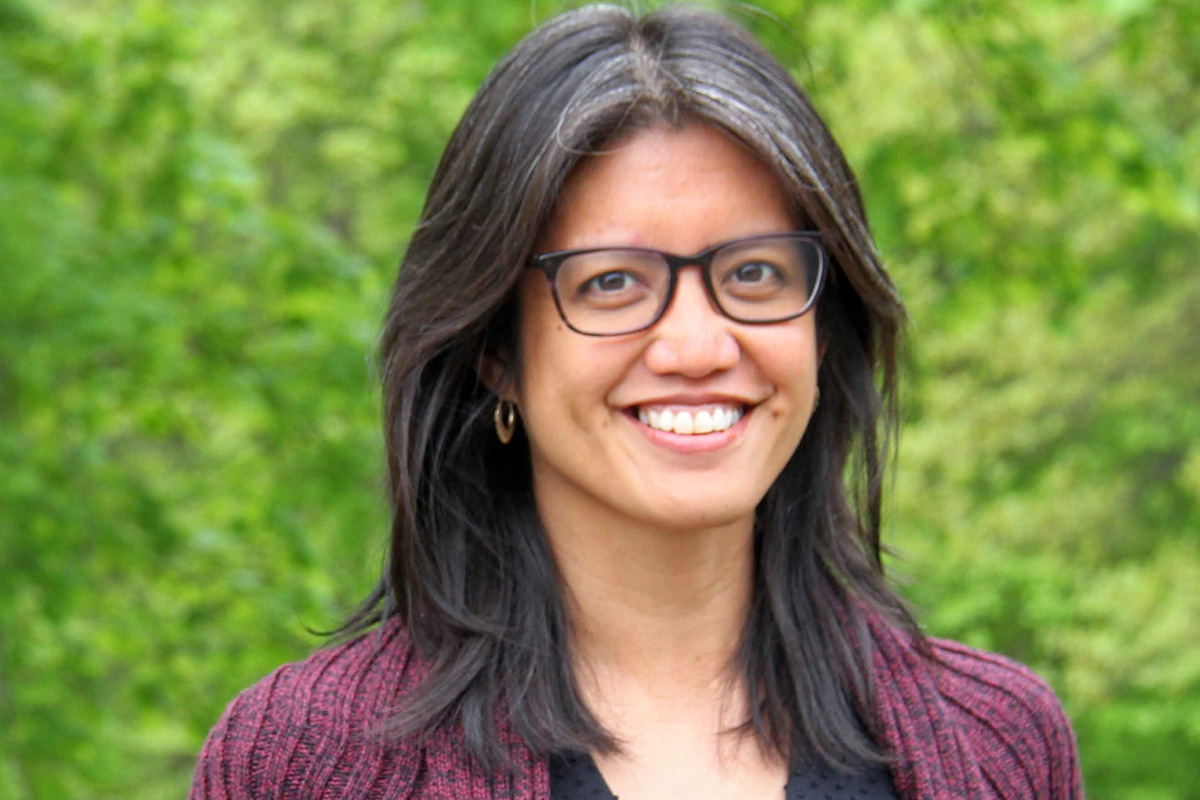
Environmental pediatrician Dr. Maida Galvez champions healthy environments for children and their families in all she does. And she does a lot: she co-directs both the Region 2 Pediatric Environmental Health Specialty Unit (PEHSU) and the Coordinating Center for the New York State Children’s Environmental Health Centers (NYSCHECK). She also directs directs Community Engagement for Mount Sinai Heals and Mount Sinai Conduits. In these roles, she translates research into program and policy change. She’s also a professor in the department of Environmental Medicine and Climate Science and the Department of Pediatrics at the Icahn School of Medicine at Mount Sinai. Whatever hat she’s wearing, Dr. Galvez’s goal is always to prevent and reduce environmental exposures for children, their families, and their communities.
Tell the House of Representatives: Protect Our Children From Extreme Weather
If you’re not familiar with PEHSUs, they’re a network of units in the United States with a mission to provide clinical consultation and education to families, health care professionals, public health officials, and community organizations that have concerns specifically regarding environmental exposures in children and pregnant women. PEHSUs are managed by Public Health Institute (PHI). The Region 2 PEHSU, which Dr. Galvez co-directs, is located in New York City and one of 10 regional federally funded clinical and educational centers—it’s funded by the CDC and EPA.
NYSCHECK is the first statewide, publicly funded model for children’s environmental health clinical services in the United States. It has sites all over New York State, supported by the state’s Department of Health. Groundbreaking, truly.
Basically, Dr. Galvez has the front row seat to understanding priority environmental health concerns in her community. Guess what’s top of the list these days? “Climate,” she says, unequivocally. To support children and family with their climate-related concerns, Dr. Galvez partners with leaders in the climate field—colleagues at Mount Sinai’s Institute for Climate Change, Environmental Health, and Exposomics as well as experts in the world beyond her offices. “They have dedicated their careers to making a difference whether it’s leading cutting edge research, training the next generation of leaders, or addressing the needs of families and communities,” she says.
We spoke with Dr. Galvez about being an environmental pediatrician. Here’s more on what she does—and how she got to where she is today.
Is there a specific moment you decided to “work on climate,” or was it a natural evolution and response to seeing how the climate crisis is impacting children?
Training in the Bronx and East Harlem showed me firsthand how neighborhood shapes health. We now work to prescribe healthy homes and healthy communities for all children. Extreme heat, air pollution, and wildfire smoke increasingly are issues that are impacting children’s daily lives. While there are steps families can take to reduce the effects of heat on their children’s health, the most important clinical interventions are sound public health policy.
What are the impacts of the climate crisis you see most at work?
Extreme heat affects a child’s daily activities, from the ability to pay attention in school and participate in sports to getting a good night’s sleep. In very fundamental ways, extreme heat compromises a child’s ability to reach their full potential.
Who is your career mentor or idol?
There are many who paved the way for us to follow along this path. I feel so lucky to be able to do the work I do. Special gratitude goes to Drs. Phil Landrigan and Ellen Crain, who opened the door to me and many others by creating the Environmental Pediatrics Fellowship [a three-year, interdisciplinary research program at Icahn School of Medicine at Mount Sinai]. It literally changed our lives, and we are forever indebted to them.
What are some common misconceptions about climate change and health that you encounter?
A common misconception is that climate change is something we need to deal with in the future, but it is already impacting our health in very real ways today.
Can you share one action you wish everyone would adopt right now to help make a positive impact on climate change?
Given how much time children spend in school, I would love for every school to have climate action plans in place along with the needed resources to implement them.
What are some wins you’ve seen during your career in terms of protecting children from the impacts of the climate crisis. What else do you want to see going forward?
When we all speak with one voice, it can make a profound difference. I’ve witnessed this firsthand with respect to passage of public health policies that are protective of children’s health. There is much work to do. Environmental justice communities are disproportionately burdened by the health impacts of climate change. While greater attention has been given to this pressing issue, we need to ensure resources are directed to the communities where they are needed most.
Do you hope kids might want to grow up and become environmental pediatricians?
The larger environmental health community is truly a force for good in the world and so welcoming to those seeking to join this field of work. To achieve environmental health in all policies, we truly need all hands on deck, meaning people in all fields of work speaking with one voice to ensure healthy environments for all.
What keeps you motivated and inspired when your work feels challenging?
The youth of today and the power of their voices is so inspiring. The next generation of leaders is truly shaking it up and making noise in ways that are impactful. They are informed, engaged, and making calls to action.
Tell the House of Representatives: Protect Our Children From Extreme Weather