




There’s pretty much no better advocacy tool than writing a letter to the editor of your local newspaper—for all sorts of reasons.
Let’s say there’s an issue of public concern happening in your town and you want to reach other members of the community to alert them—and get to your elected officials at the same time—that’s prime time for writing a letter to the editor, or LTE.
They’re known to be one of the most widely read sections in a newspaper, print or digital. Political staffers pay close attention to LTEs to get a sense of community opinion, look for mentions of their bosses, and take the public pulse.
Generally, they’re a useful way to share your views with your wider community, correct any misinformation being spread, and call your neighbors to action. Despite all this, fewer people are writing LTEs than ever.
If you’ve never written one before, here’s how.
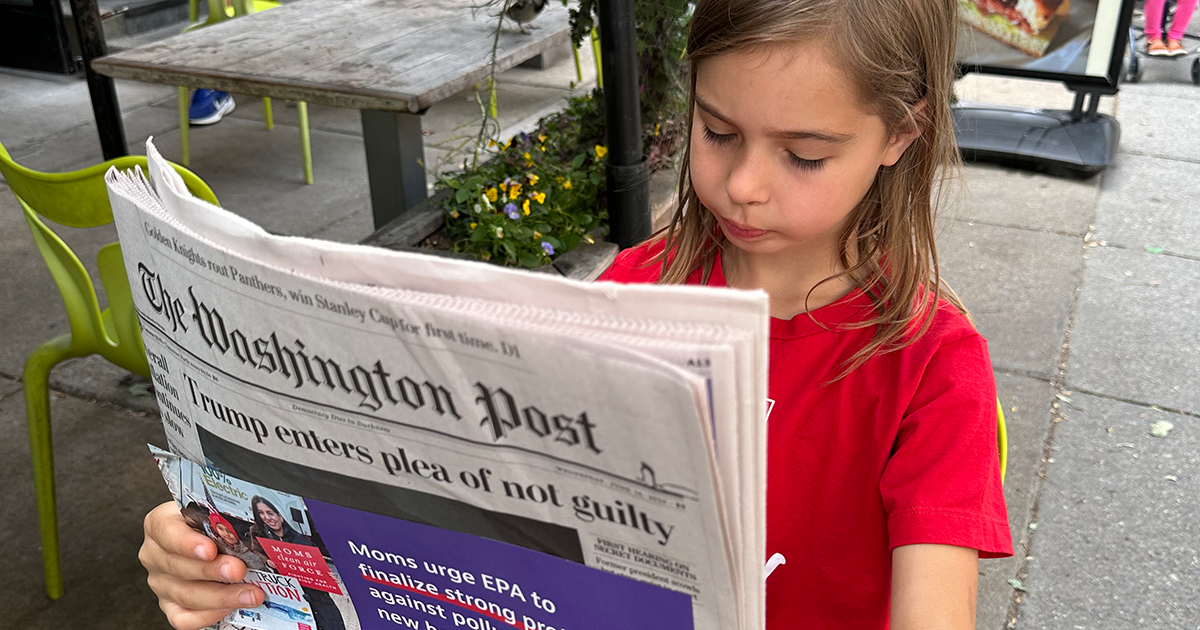
Where to submit an LTE
First, choose the local paper with the audience you want to reach. Look up the Opinion Section of that paper. There, you should find guidelines on how to submit a letter to the editor. Follow them.
What to write
Make the issue you’re addressing as locally relevant as possible. Why does it matter to your specific community? Then, get straight to the point, clearly and precisely. Stick to one point only—consider not writing more than three paragraphs of one or two short sentences each.
That said it’s more than OK to make your LTE personal and tell your story—briefly—if you have one. A human angle can help others identify with your concerns. But don’t get overly emotional, rant, or opposition bash. Facts and figures are helpful, but don’t overcrowd your limited space with them, and be prepared to provide references for any facts if asked to by an editor.
If you’re responding to an event, make sure to tie it in with recent coverage by the newspaper you’re pitching. You can refer to an article by date, headline, and with a link.
Sign off with a direct call to action.

Writing dos and don’ts
- Keep it short: Letters to the Editor (LTEs) should generally be 150–200 words and rarely exceed 250. Check each newspaper’s guidelines.
- Include contact information: Provide your full name, hometown, email address, and phone number.
- Submit to one paper at a time: Wait for a response before submitting your letter to another publication.
- Consider an op-ed: If you need more room to make your point, consider an op-ed, typically 700 words or less, depending on the newspaper.
Following up
Once you’ve submitted your LTE, it’s natural to be eager to hear back. Make sure you know the publication’s rules about following up. Some tell you not to contact them unless they contact you to say your LTE is being published. If there are no guidelines, it’s still a good idea to give it a few days before following up with the news outlet’s Editorial Department. If you don’t hear back in a week or so, or if the topic of your LTE is no longer in the news, it’s time to move on.
Keep in mind that if you’ve had a letter published recently, that specific paper is less—not more—likely to publish another one soon. Better to try another news outlet instead. If you get rejected, don’t get discouraged. Keep trying to get the word out about your community’s issue.

Read real-life letters from Moms on the issues we care about
Updated November 2026